

Living in a Studio Apartment: Here’s How to Pick a Rug Color
In a studio apartment, the rug does more work than almost anything else you own. It sits at the centre of your living zone, it is visible from the kitchen and the bed, and its colour decides whether the whole room feels calm or chaotic. A rug that is too dark can shrink the space overnight; one that clashes with your sofa can make the entire apartment feel off-balance.
The good news is that picking the right colour comes down to a few practical rules, not a designer’s eye. Follow these ten and your rug will tie the whole studio together — instead of fighting with it.
1. Match the Rug to Your Sofa First
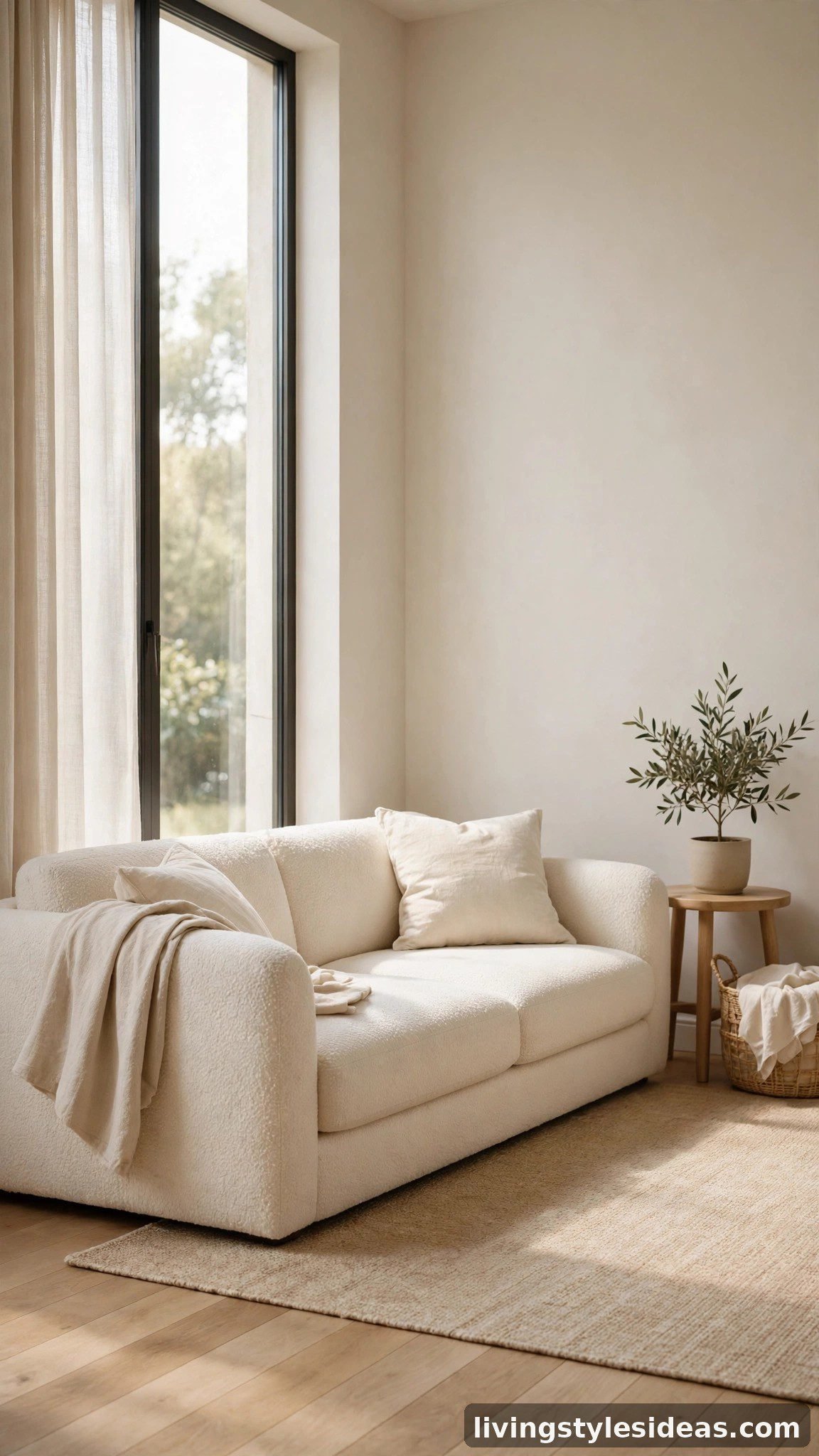
In a studio, the sofa is usually the biggest and most expensive piece you own, so let it lead. Choose your rug colour to echo, complement, or quietly support the sofa — not compete with it. A cream sofa pairs beautifully with warm beige, soft greige, or natural jute. A grey sofa works with charcoal-patterned or dusty blue rugs. Decide the sofa first, then shop with a photo of it on your phone. This order prevents the most common studio mistake: a rug and sofa that fight each other across one small room.
2. Go Light to Make the Room Feel Bigger
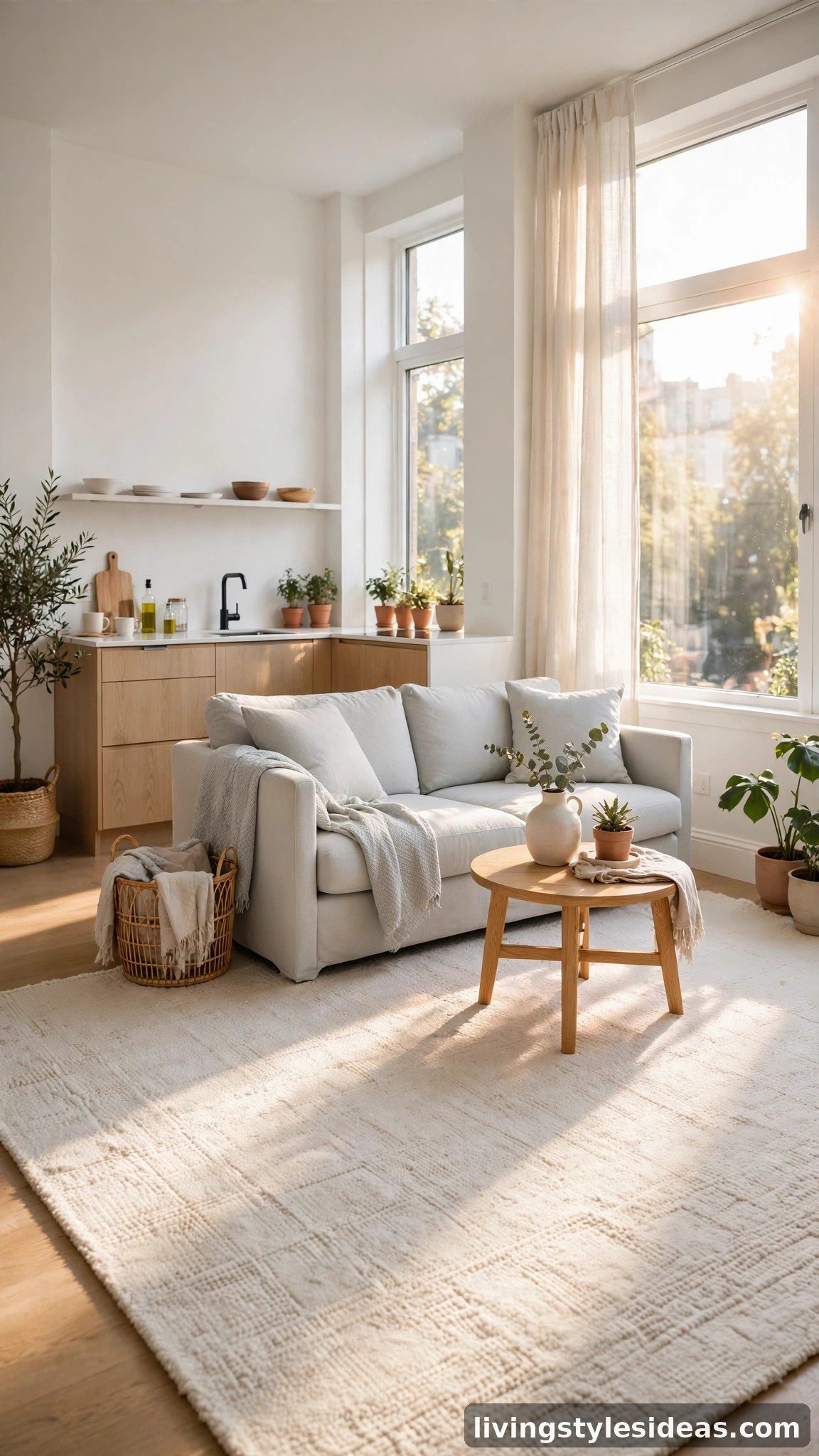
Light-coloured rugs — ivory, sand, pale oatmeal — bounce daylight around and make a small studio feel noticeably larger. Because the floor is one of the biggest visible surfaces, a pale rug visually expands the whole room, which helps most in studios with limited sun. Choose a rug large enough that the sofa’s front legs sit on it; a too-small rug breaks the floor into pieces and has the opposite effect. When in doubt, go one size up and one shade lighter.
3. Use the Rug to Zone the Living Area
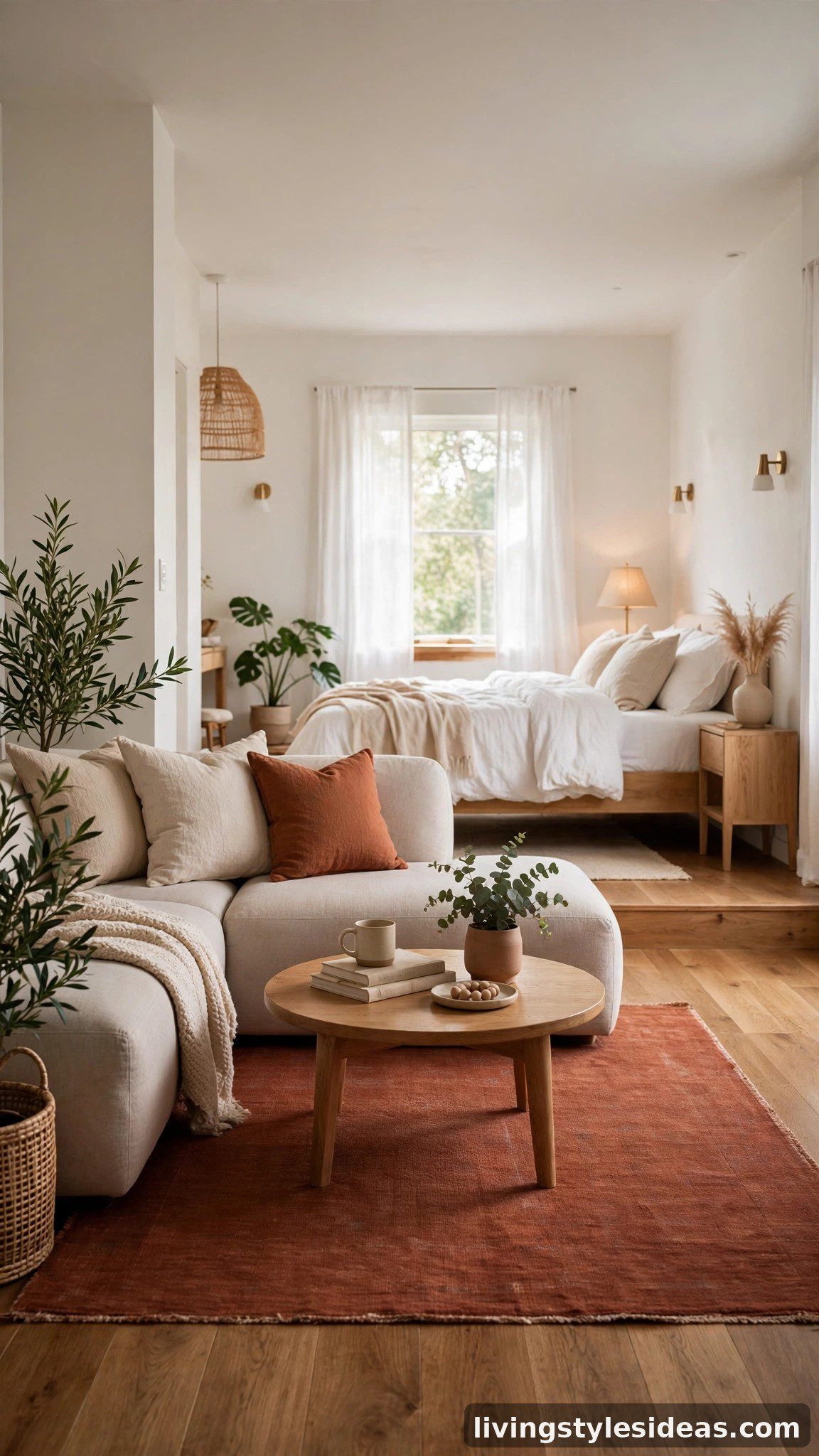
In an open studio, a rug in a slightly deeper colour can draw an invisible wall between the living area and the bed. A warm camel, muted rust, or soft olive rug anchors the sofa and coffee table, quietly saying “this is the lounge.” Keep the bed zone light and simple so the contrast does the work. The rug does not need to be dark — just a shade or two richer than the surrounding floor — to separate the zones without any partition.
4. Match Undertones With Your Floors
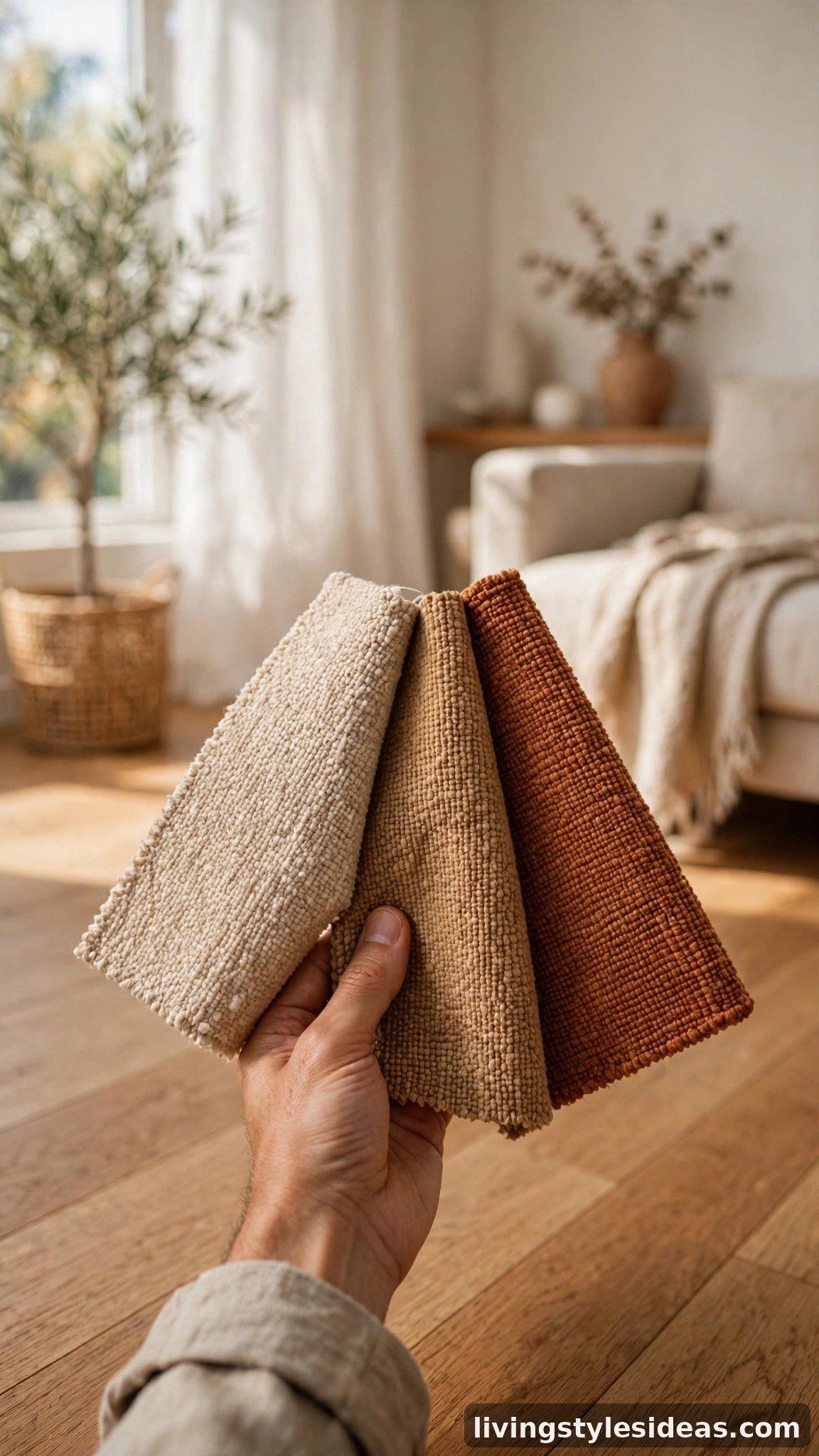
Colour clashes almost always come from mismatched undertones, not the colours themselves. Warm oak floors pair with warm rugs — beige, camel, terracotta, honey. Grey tile or cool laminate needs cooler rugs — greige, soft grey, dusty blue. Hold rug samples against your actual floor in daylight: if both lean warm or both lean cool, they will sit together happily. This single check makes a budget rug look far more expensive than it is.
5. Let the Floor Colour Guide the Choice
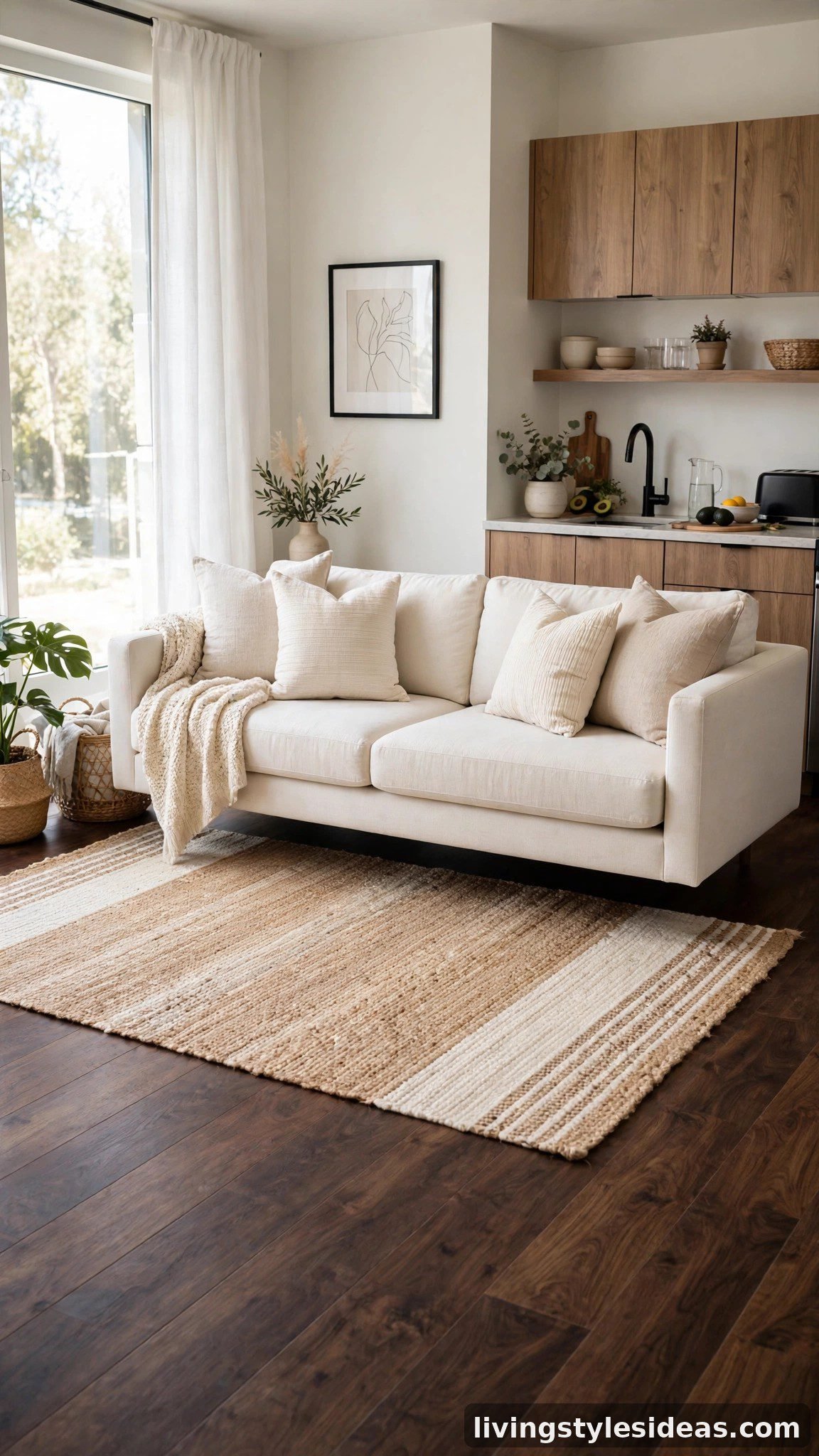
Light floors give you freedom: mid-tone rugs in beige, sage, or soft blue add welcome depth without darkening the room. Dark floors need the opposite — a lighter rug in ivory, natural jute, or pale grey creates contrast so the floor and rug do not melt into one heavy mass. The simple rule: your rug should be clearly lighter or darker than the floor beneath it, never almost-but-not-quite the same. That clear step of contrast keeps the room looking crisp.
6. Test the Colour in Your Own Light
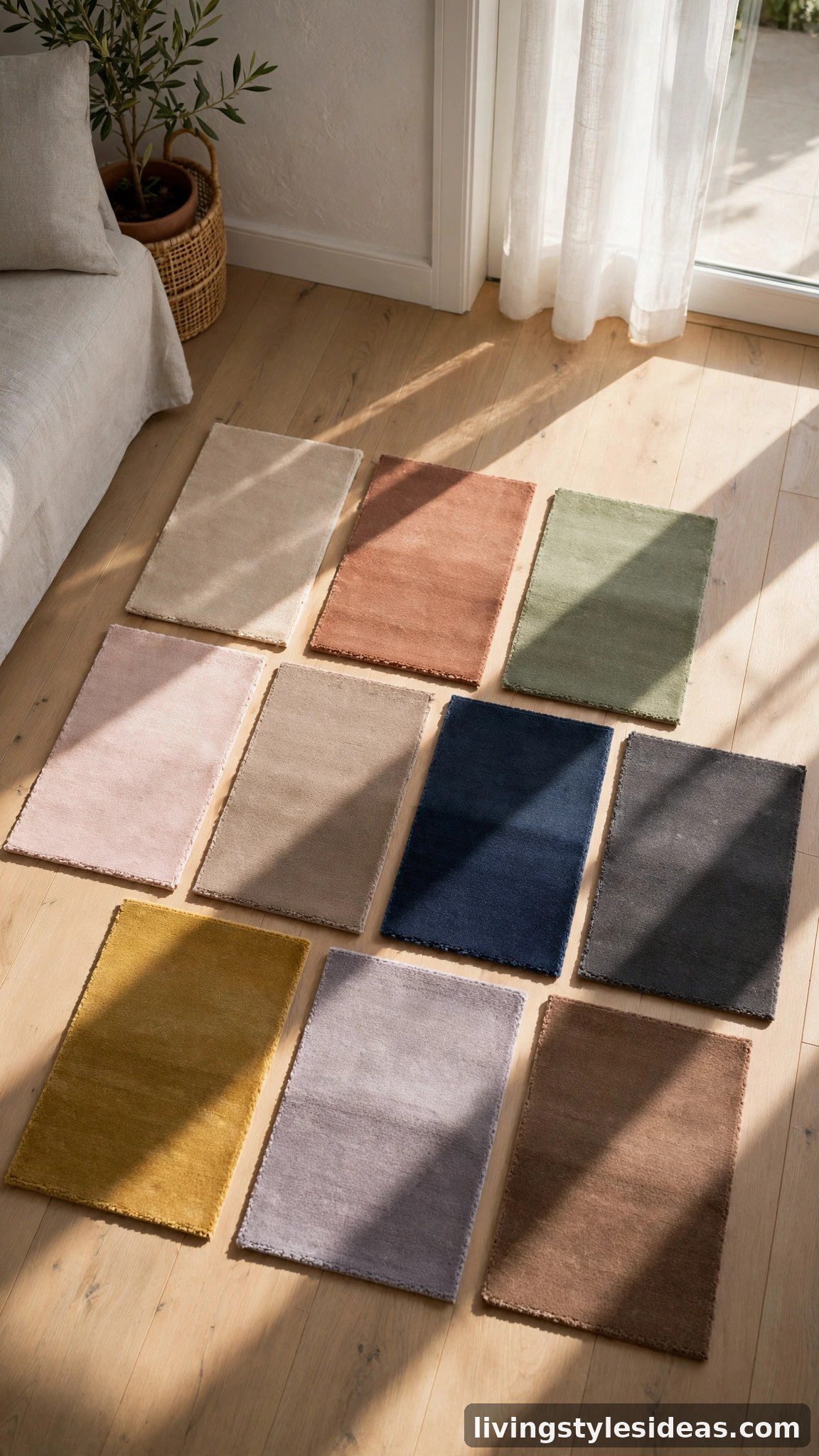
A rug that looked perfect in the shop can look completely different at home. North-facing studios get cool, bluish light that dulls warm colours; south-facing rooms flood warm light that can turn beige yellow. Order samples or bring home a small version and lay it where the real rug will go. Check it morning, noon, and evening for a couple of days. Colours shift with the sun, and a rug is too big a commitment to judge under shop lighting.
7. Coordinate With Your Bedding
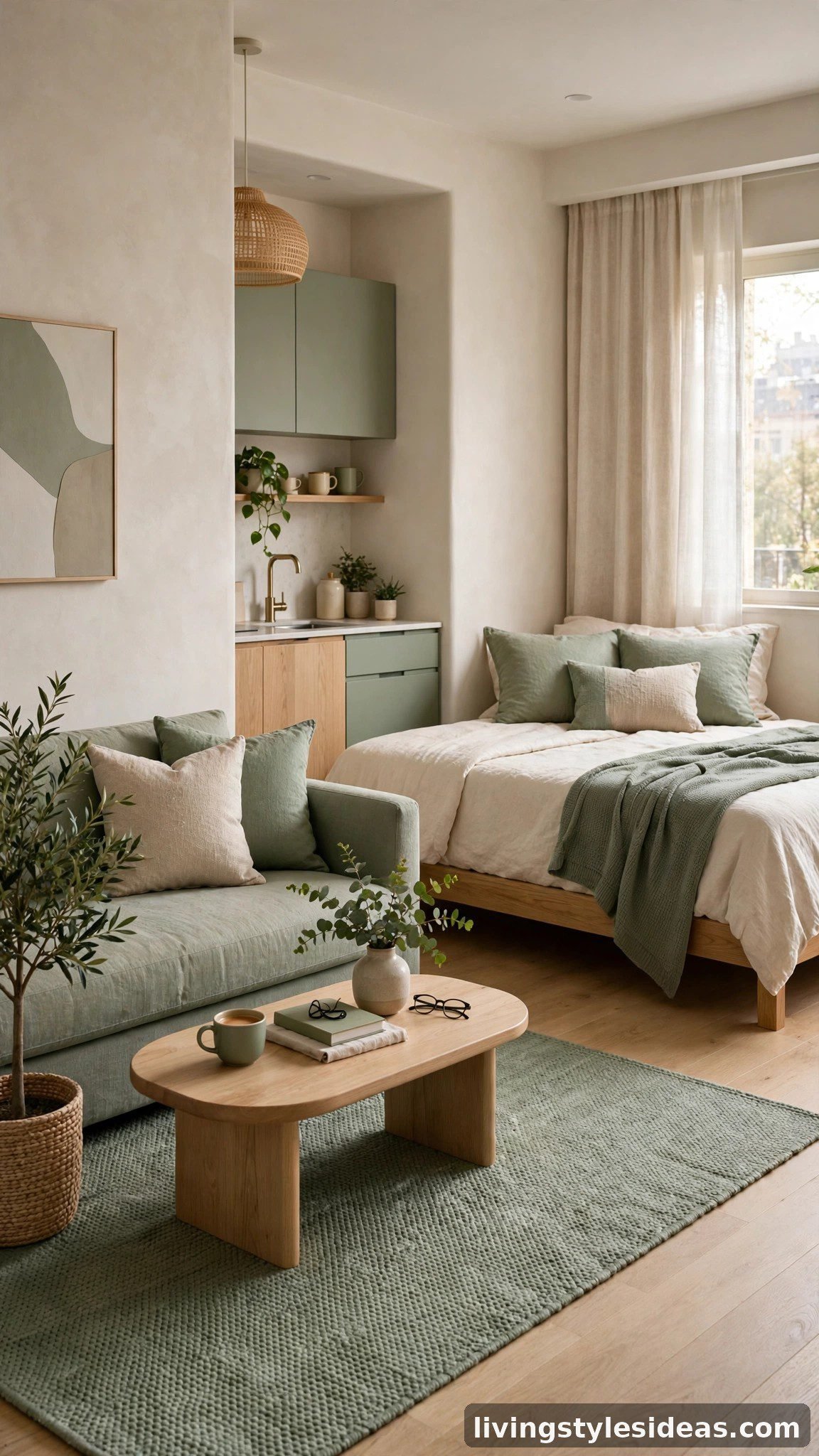
Because one room holds both the living area and the bed, your rug and your bedding are always in the same view. Pull a colour from the rug into the bed — a throw, a couple of cushions, a folded quilt — and the whole studio suddenly feels like one home instead of two zones. It does not need to match exactly; a shared tone is enough. This small echo is what makes studio apartments in magazines look so effortlessly pulled together.
8. Mind the Pattern Scale
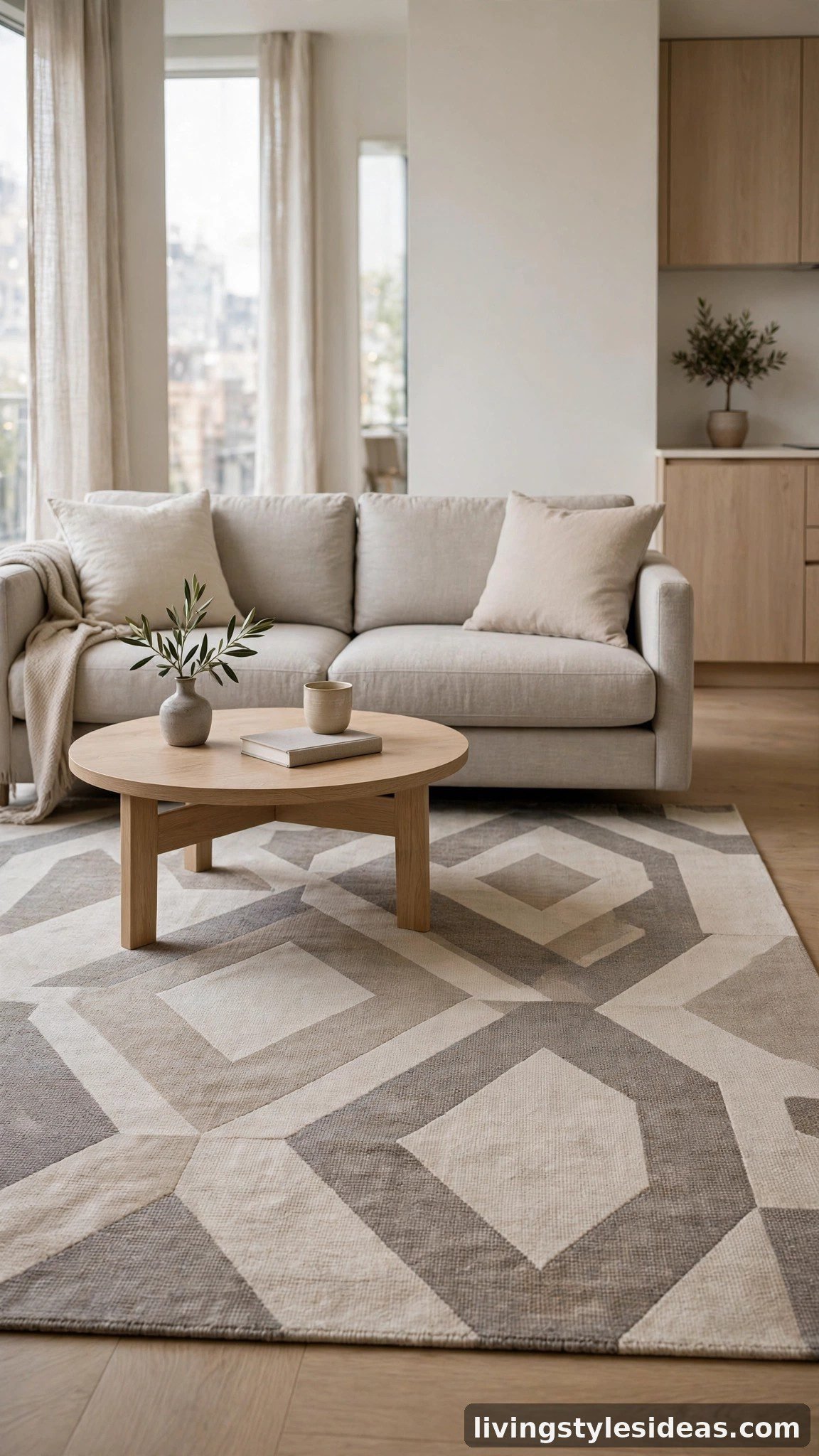
Pattern on a rug is fine in a studio, but scale matters. Large, simple motifs in muted tones read calmly; tiny busy prints make a small room feel fidgety and crowded. If you love pattern, pick one with plenty of breathing room between motifs and colours pulled from your existing palette. A solid rug with a subtle border is the safest choice of all. Remember: in one open room, the rug’s pattern is always on display — there is nowhere for it to hide.
9. Pick a Colour That Forgives Daily Life
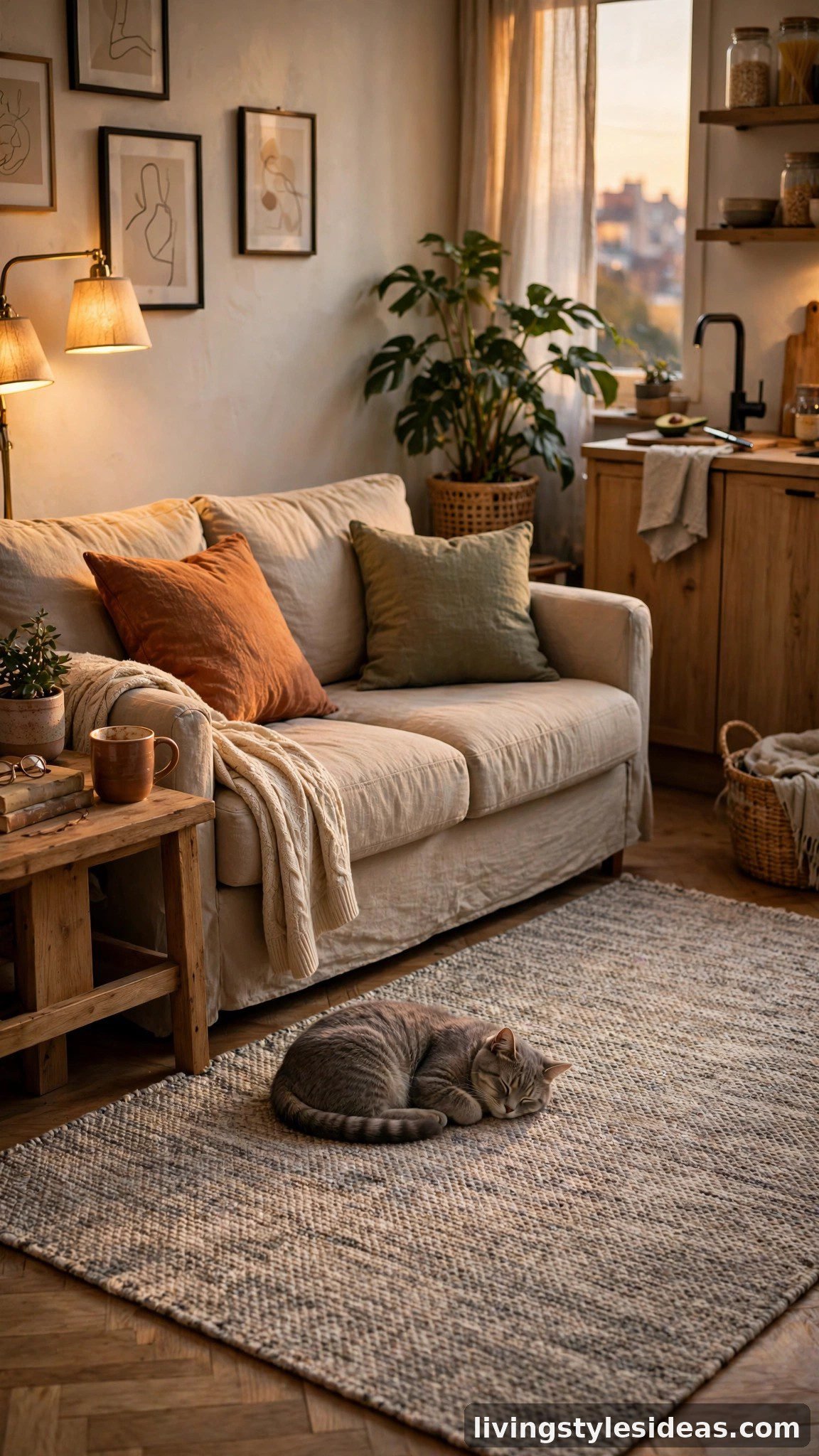
Your studio rug takes daily abuse: coffee, crumbs, shoes, pets. Mid-tone colours with texture — heathered greige, nubby beige, mottled taupe — hide pet hair, dust, and light stains far better than flat ivory or jet black. Low-pile or washable rugs are the practical choice when the living room, bedroom, and hallway are all the same floor. Ask honestly how you live before falling for a pale shag. A forgiving colour you keep for years beats a dreamy white you stress about daily.
10. Repeat the Rug Colour Around the Room
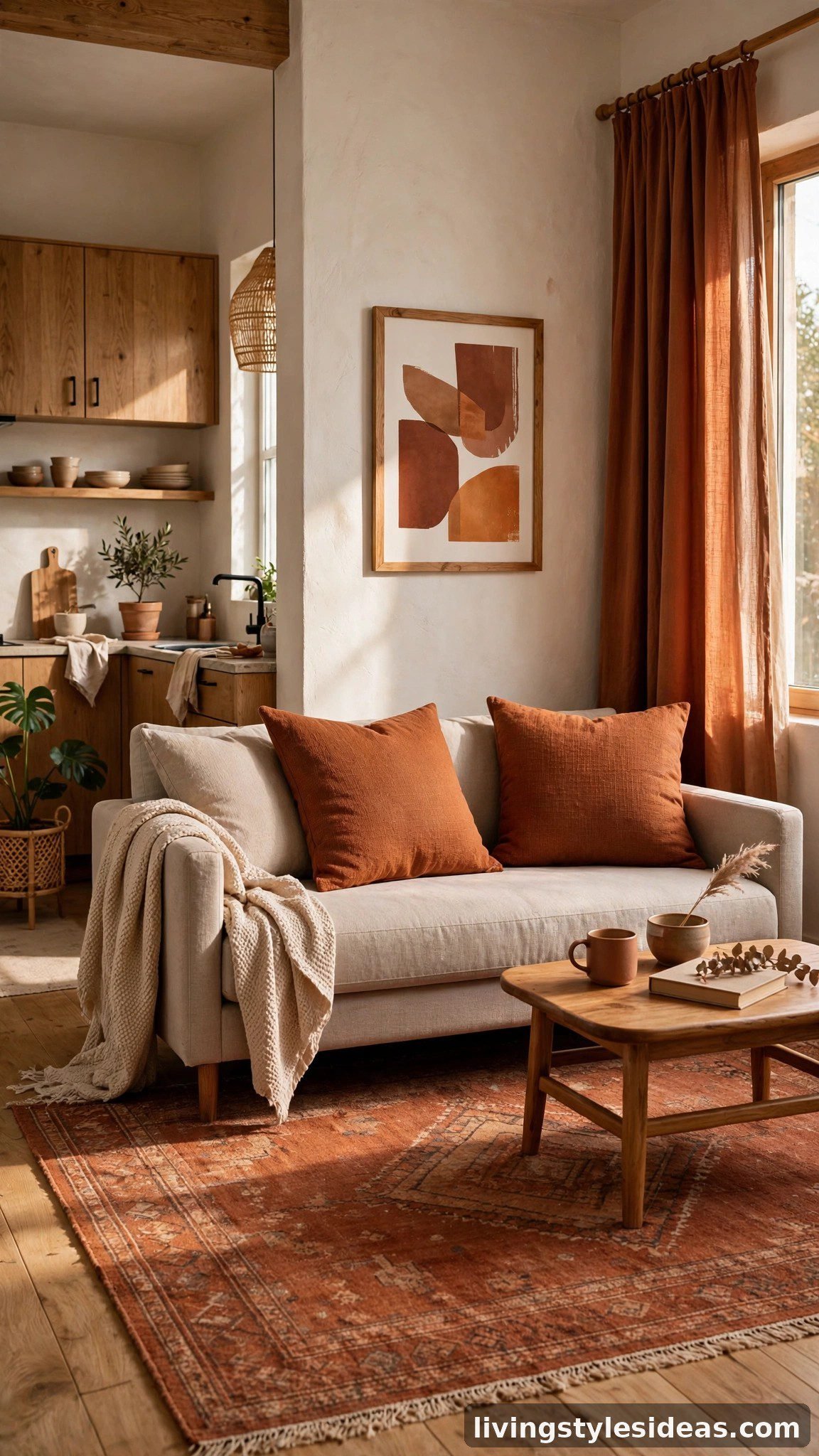
Finally, thread your rug’s colour through the rest of the studio so the room feels designed, not accidental. Repeat its main tone — or a close cousin — in the curtains, a cushion on the bed, or a piece of art near the kitchen. This repetition is what designers call a colour thread, and it makes a small space feel calm and intentional. Stand in the doorway and scan: if your eye catches the same warm tone three times, the palette is working.
Frequently Asked Questions
What is the best rug colour for a small studio apartment?
Light, warm neutrals — ivory, sand, soft beige, natural jute — are the best all-rounders. They make the space feel larger, match almost any sofa and flooring, and stay stylish for years. If you want more personality, choose a mid-tone version of your favourite colour rather than the darkest shade.
Should the rug match the sofa or the floor?
The rug should coordinate with the sofa first, then contrast clearly with the floor. Match the sofa’s undertones — warm with warm, cool with cool — and make sure the rug is visibly lighter or darker than the flooring beneath it. A rug that echoes the sofa and stands apart from the floor always looks intentional.
Can I use a dark rug in a studio apartment?
Yes, if the studio gets good natural light and the surrounding surfaces stay light. A deep-toned rug can beautifully anchor the living zone. In small or dim studios, though, a dark rug absorbs light and can shrink the room visually — in that case, choose a dark-bordered rug with a lighter field, or keep the dark tones to cushions and art.
What size rug works best in a studio?
Go as large as your living zone allows — ideally big enough that the sofa’s front legs and the coffee table both sit on it. In studios, one large rug beats two small ones: it unifies the floor and makes the room feel bigger. Leave a few inches of floor visible around the edges so the room can breathe.
Final Thoughts
Picking a rug colour for a studio comes down to three things: how bright your space is, what undertones your floors and sofa already have, and how you actually live. Go light to open the room, match undertones, test in your own daylight, and choose a colour that forgives real life. Get those right and your rug will not just cover the floor — it will tie your whole studio together.