
16 cozy studio apartment ideas with a separate sleep zone
One of the hardest things about studio living is never really leaving the bedroom. Your bed sits in the corner of everything — visible from the sofa, the desk, even the kitchen — and at night it can feel impossible to switch off when the “living room” is ten feet away. The good news is that you do not need walls to feel like you have a bedroom.
A separate sleep zone is about psychology as much as square footage. With the right divider, nook, or layout trick, one open room can genuinely feel like two: a calm sleeping retreat on one side and a real living space on the other. These 16 cozy studio apartment ideas show you how to carve out that sleep zone beautifully — no renovation required.
1. Hang Floor-to-Ceiling Curtain Panels
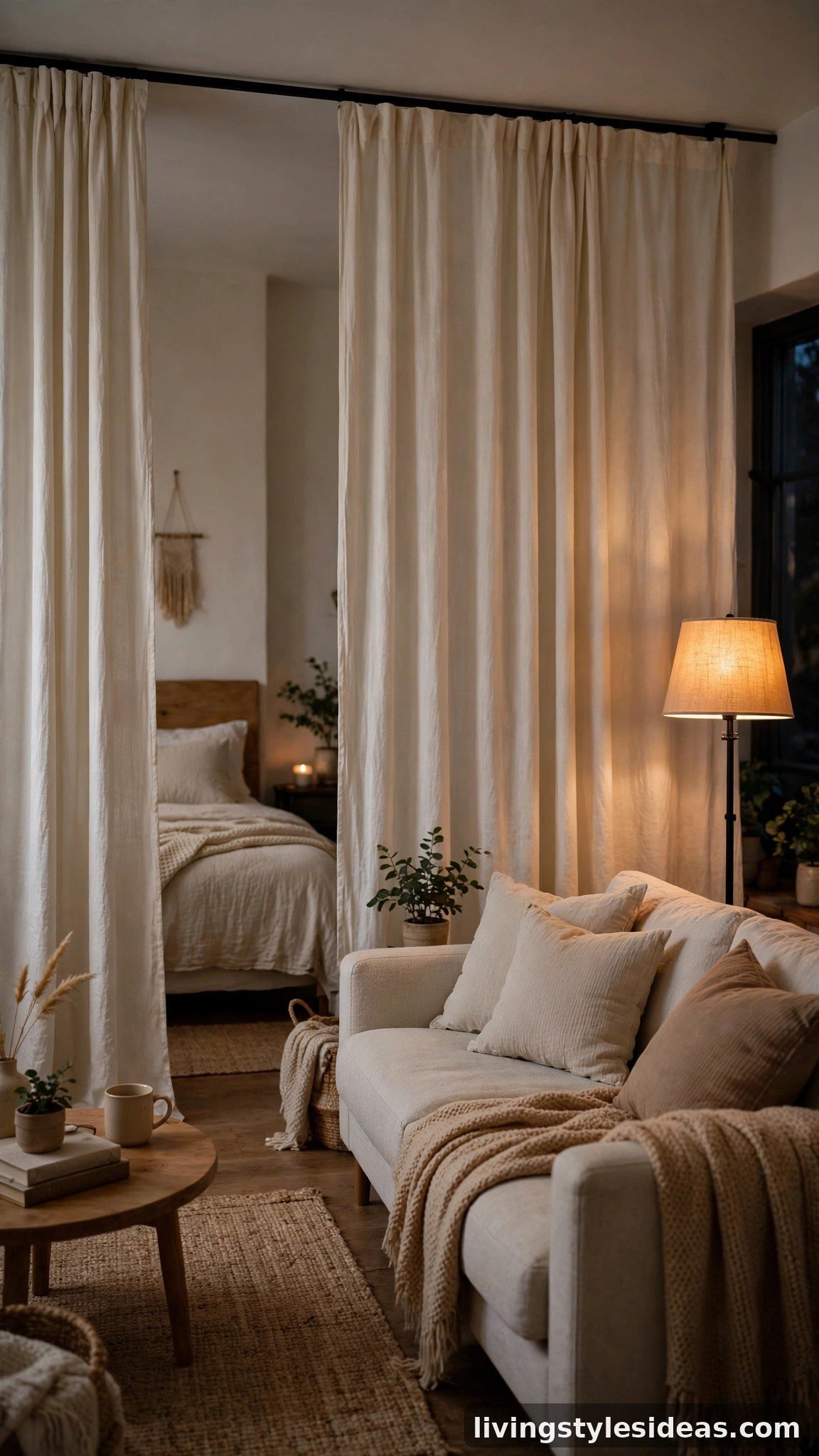
A ceiling-mounted curtain track with long linen panels is the softest way to split a studio. Draw the curtains at night and the bed disappears into its own cocoon; open them in the morning and the room breathes again. Choose a heavy weave in cream or oatmeal — it blocks sightlines and softens sound far better than sheer fabric. Extend the track wider than the bed so the panels stack neatly against the wall by day.
2. Build a Loft Platform With a Workspace Below
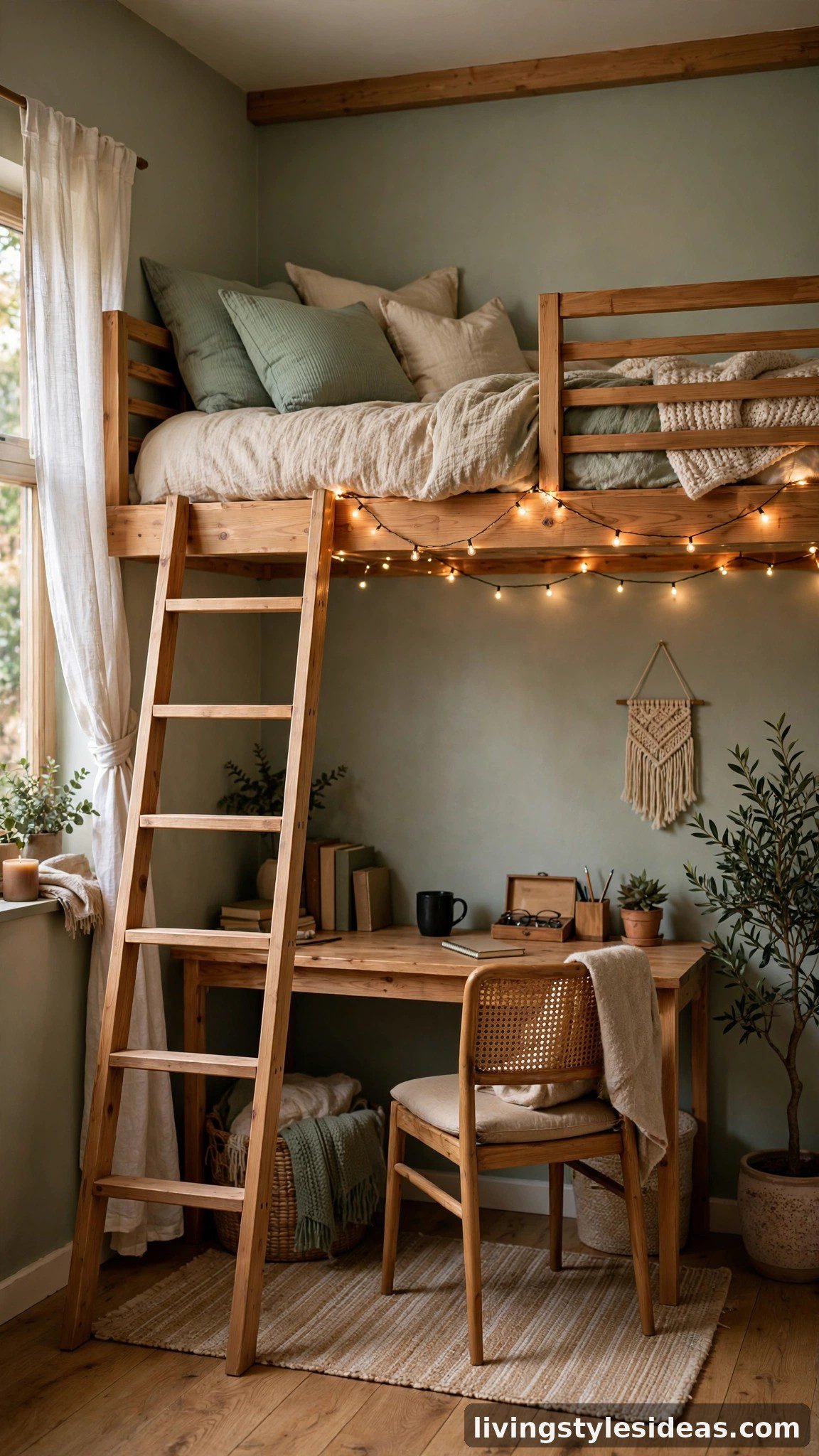
When floor space is scarce, go vertical. A sturdy loft platform lifts the sleeping zone toward the ceiling, freeing the footprint below for a desk, reading chair, or dresser. The elevation alone makes the bed feel like a separate room, especially with a small guard rail and a pendant light up top. Just check your ceiling height first — you want at least 33 to 36 inches of sitting clearance above the mattress.
3. Install a Murphy Bed for Day-to-Night Flexibility
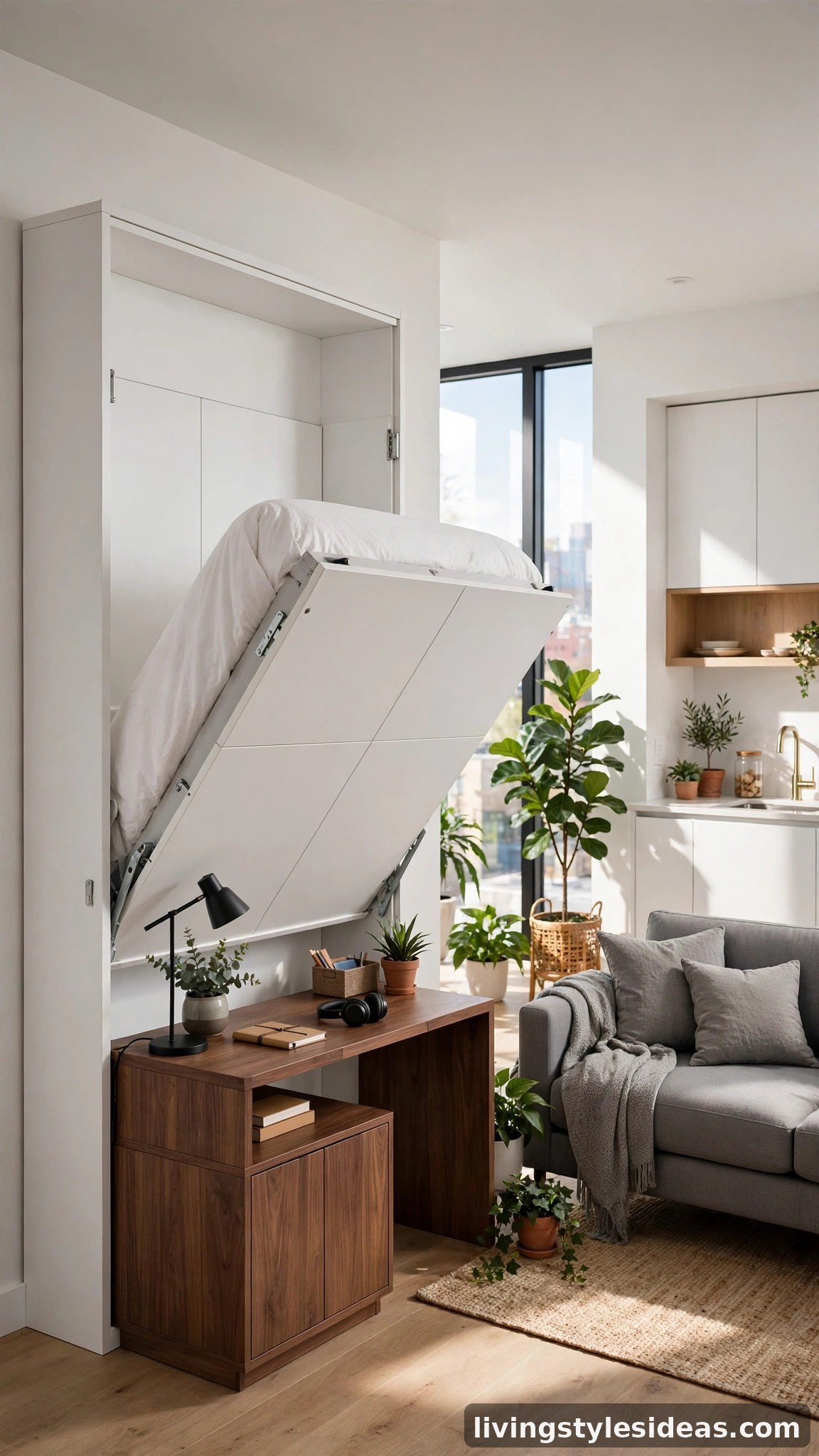
A wall bed is the ultimate sleep-zone trick: by day it folds up into what looks like a cabinet, and your entire studio becomes a living room. Many modern Murphy beds include a fold-down desk or sofa on the front panel, so the piece works double duty. Look for models with slow-close pistons and locking straps for safety. It is the closest thing to having a bedroom that vanishes on command.
4. Divide With an Open Bookshelf
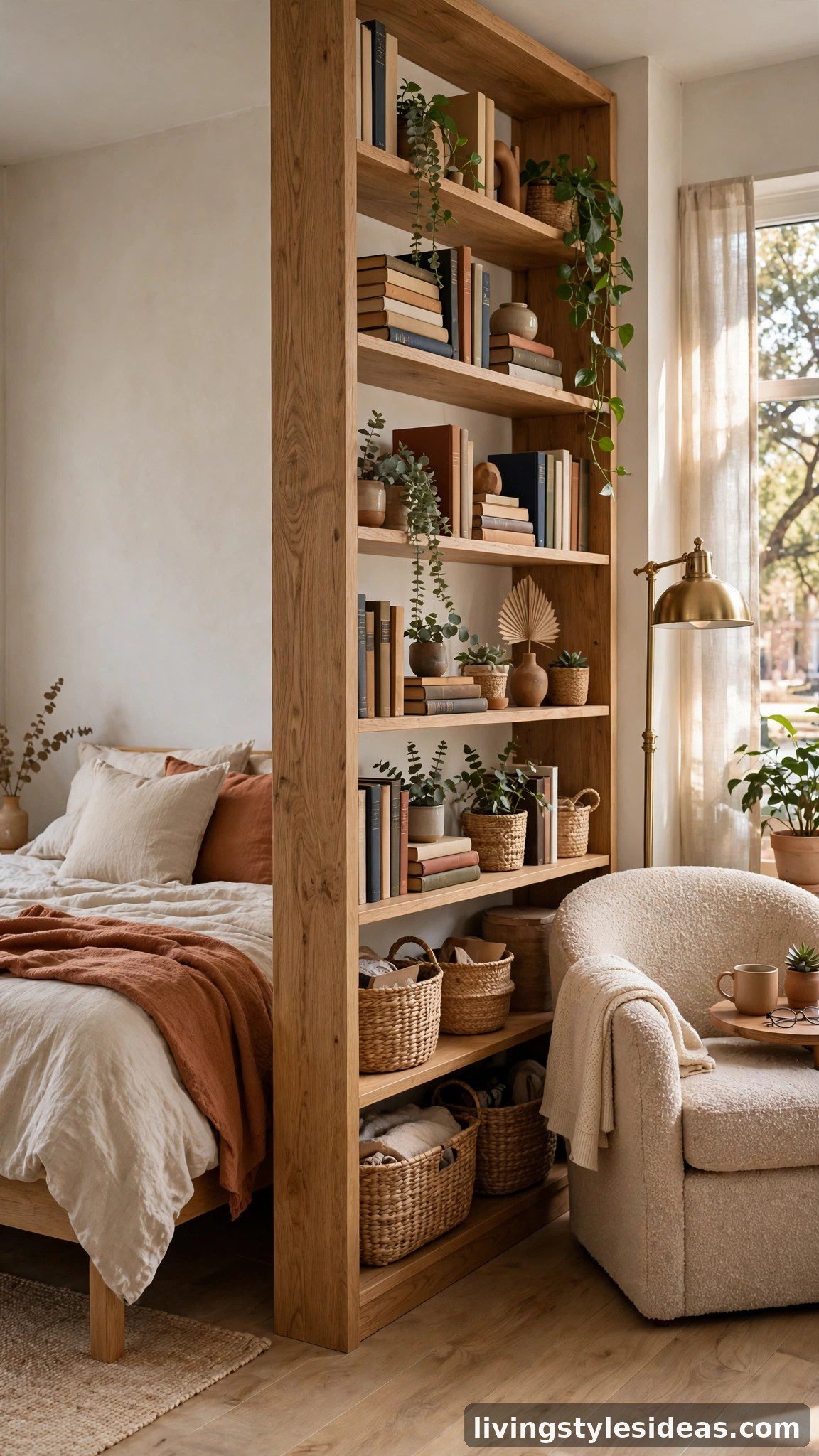
A tall, open-backed bookshelf works as a room divider that stores things instead of just standing there. Style it with books, baskets, and a few plants, and it reads as furniture rather than a barrier, keeping light and air flowing through. Anchor it at a right angle to the wall, perpendicular to the bed, so it creates a true sense of separation. Leave the shelves open so daylight passes between zones.
5. Create a Canopy Bed With Draped Fabric
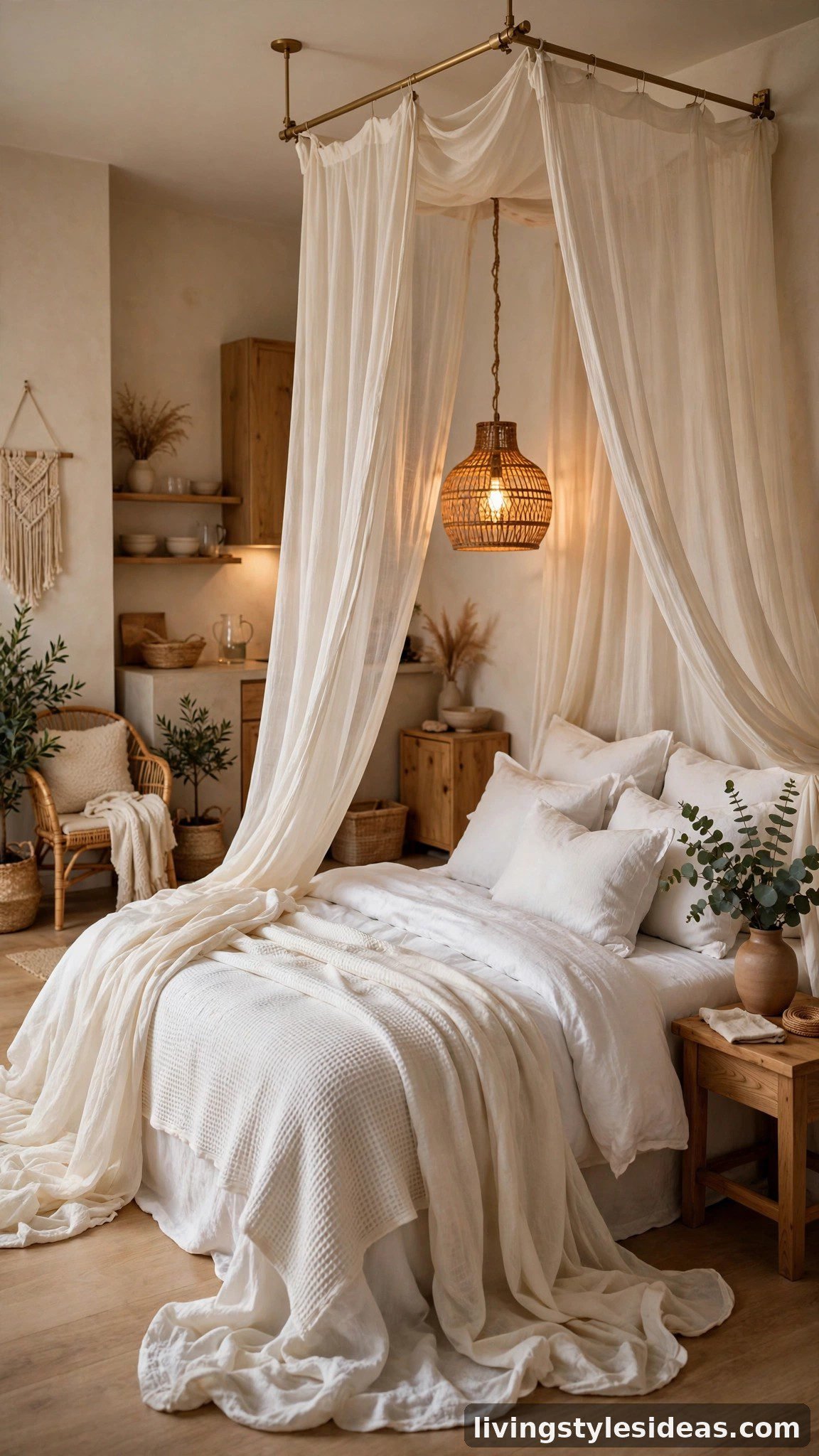
You do not need a four-poster frame to get canopy coziness. A simple ceiling-mounted ring or rectangular frame with flowing curtains turns any bed into a private sleep chamber. The draped fabric muffles the open room visually and makes falling asleep noticeably easier. Use lightweight voile or gauze in warm white so the nook still feels airy, and tie the panels back during the day to let the room feel open.
6. Slide a Barn Door Across the Sleep Nook
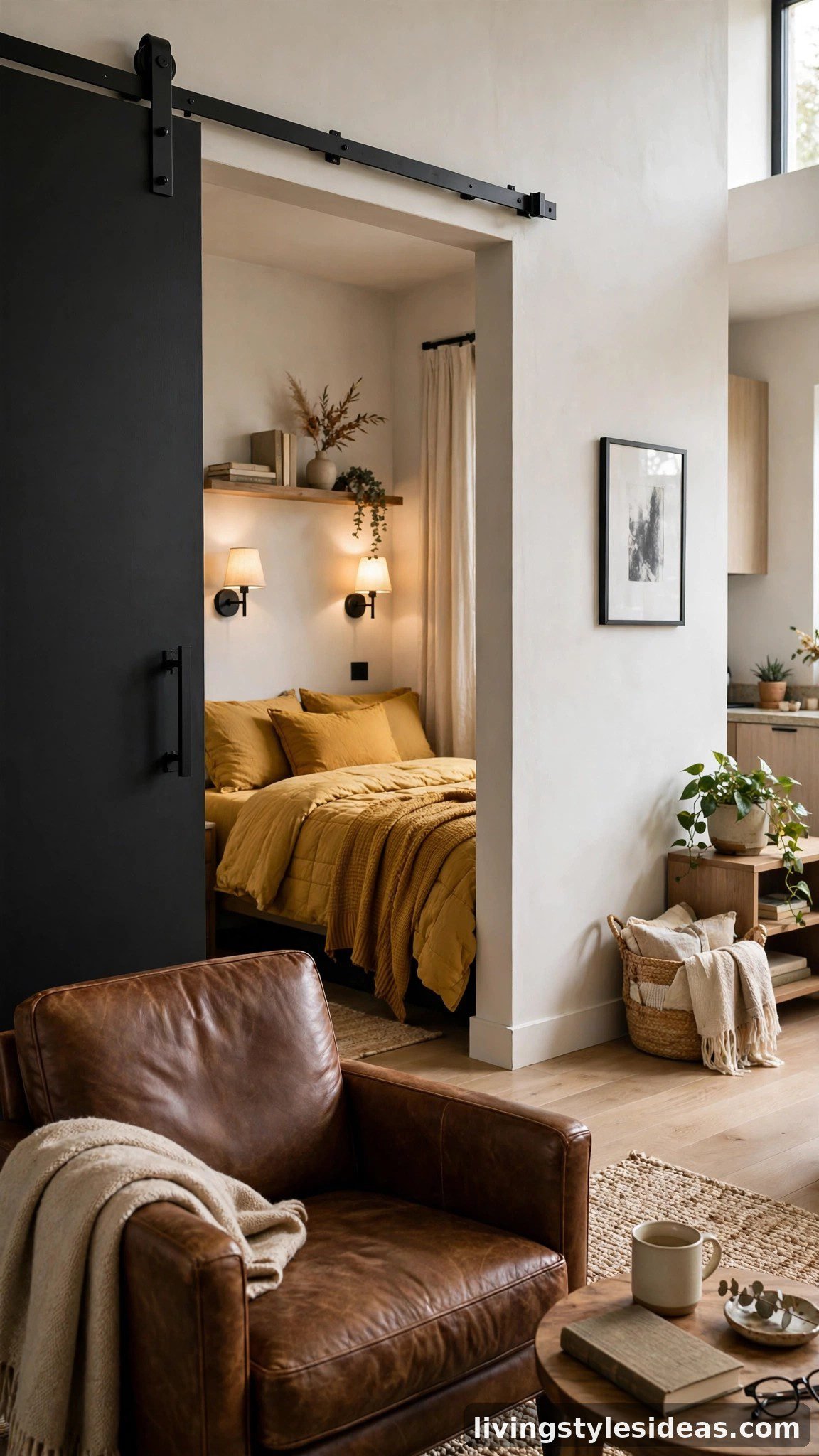
A sliding barn door on an exposed rail gives you a real door without swinging space or framing a wall. Mount the track across a wide opening or in front of a recessed bed alcove, and you can close off the sleeping zone in one smooth motion. Choose a solid wood or painted door for privacy, or a door with frosted glass inserts if you want borrowed light. The hardware itself becomes a design feature.
7. Carve Out a Built-In Bed Alcove
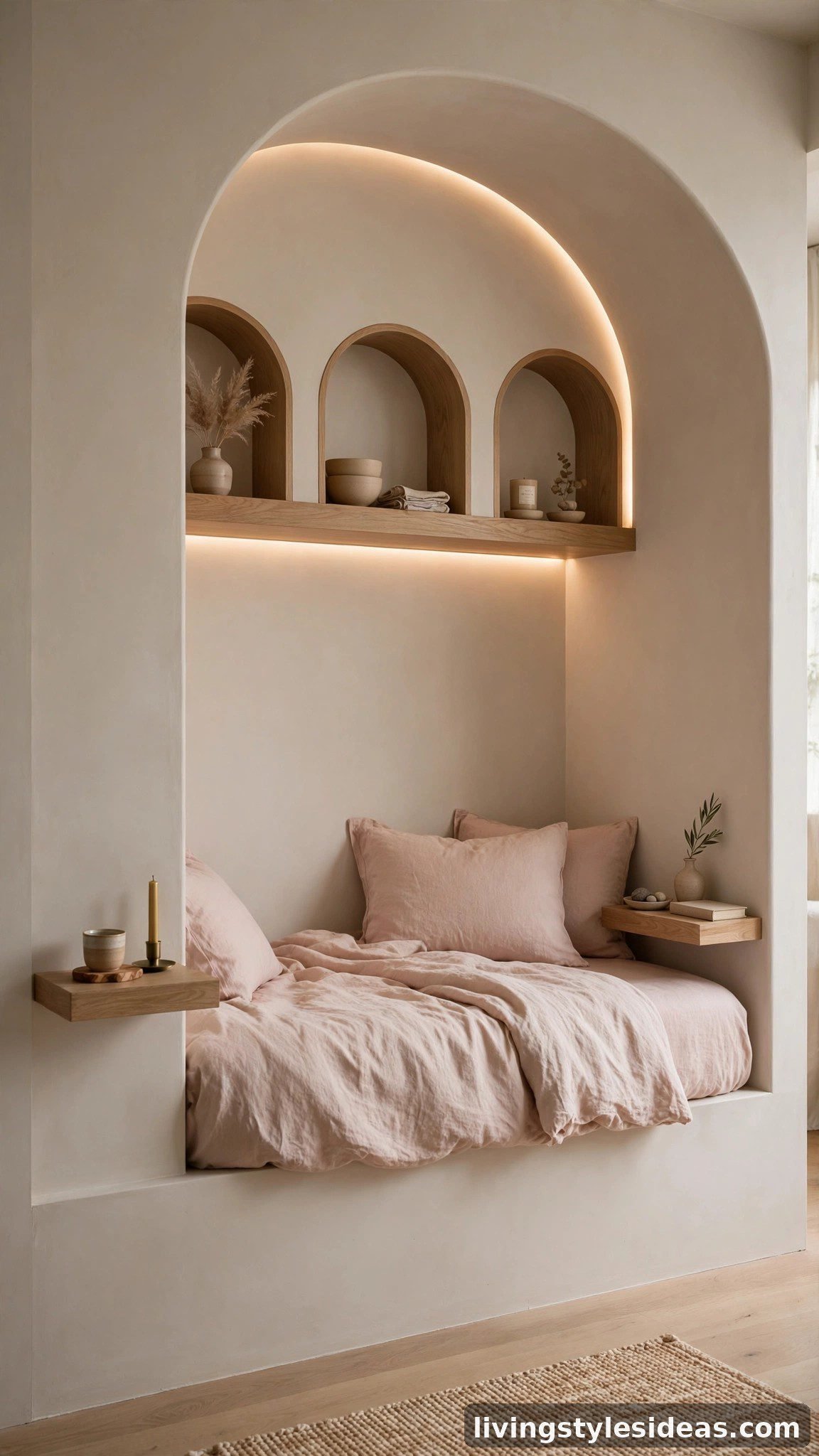
If your studio has a recessed niche — or even a deep closet you can convert — tuck the bed inside it. A platform bed fitted wall to wall with hidden LED strip lighting above turns an awkward alcove into the coziest “bedroom” in the apartment. Paint the alcove a slightly deeper tone than the rest of the room so it reads as its own space. Add floating nightstands on each side to keep the tight footprint functional.
8. Screen the Bed With a Folding Rattan Divider
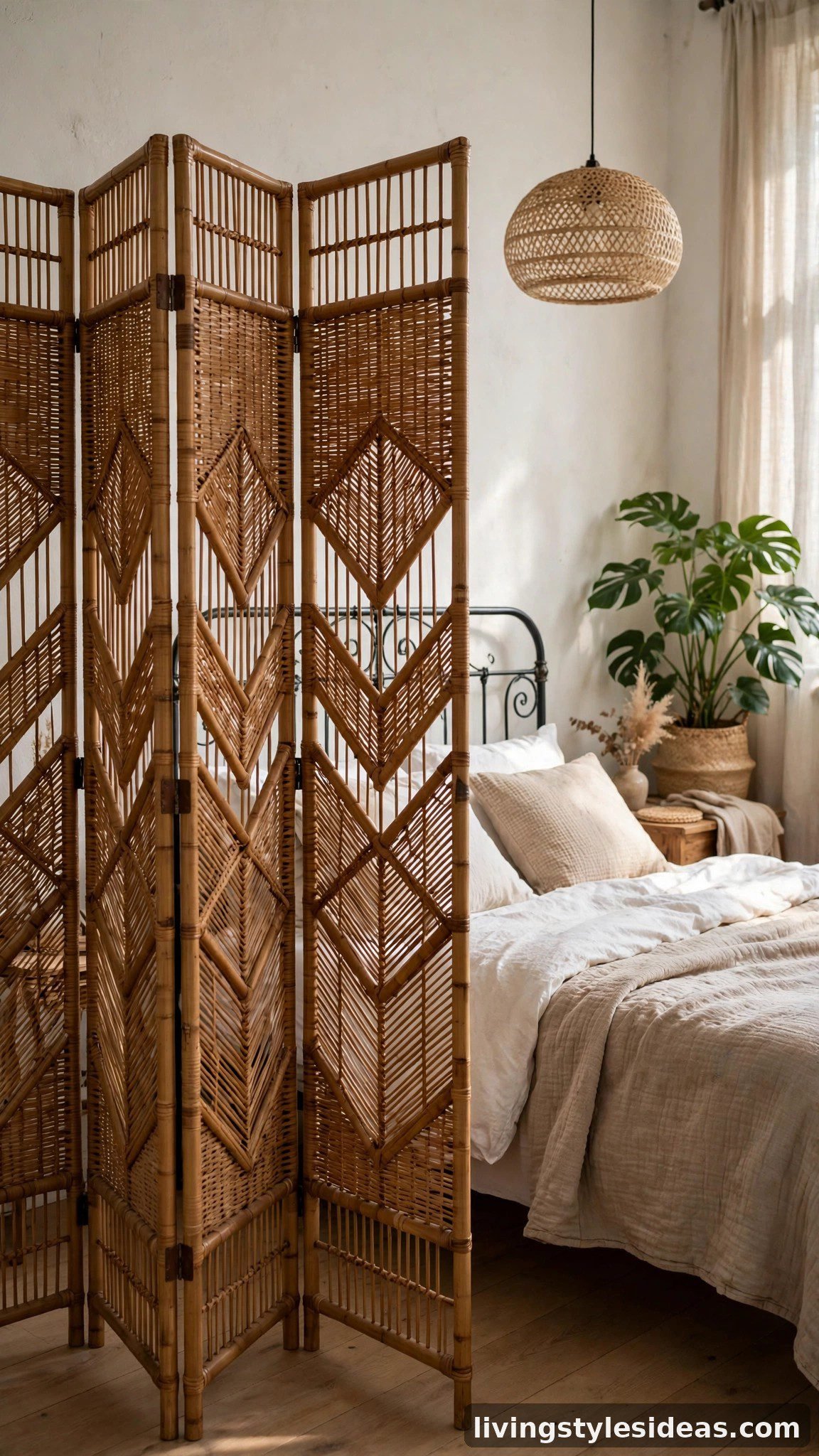
A folding rattan or cane screen is the renter-friendly divider: no drilling, no tracks, and it folds flat when you want the room open. The woven texture filters light beautifully and adds warm, handmade character to the sleep corner. Angle it in a loose zigzag around the head of the bed rather than a straight line — the curved shape feels intentional and gives you more coverage from the living area.
9. Choose a Daybed That Doubles as Your Sofa
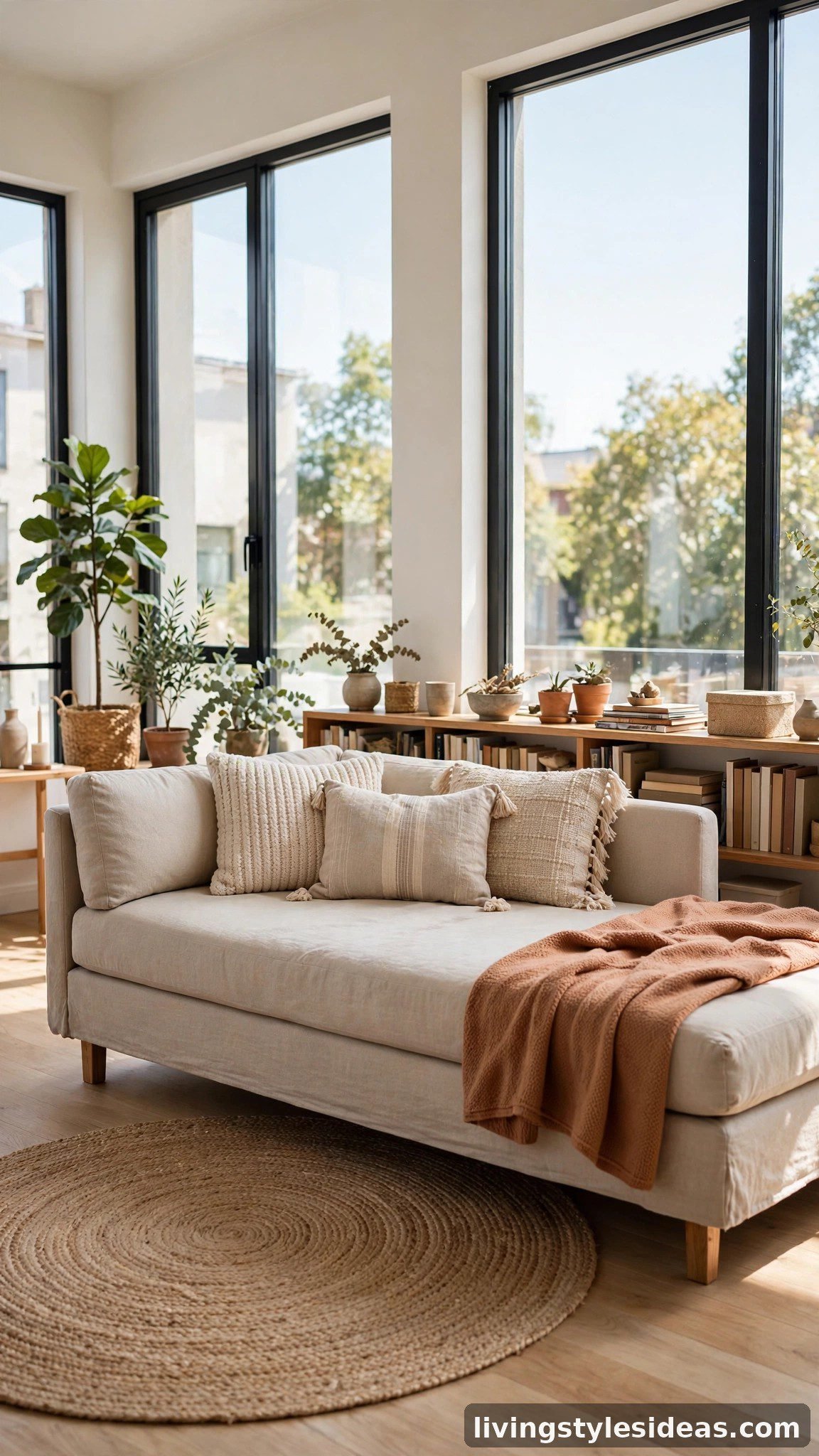
Sometimes the smartest sleep zone is one that does not look like a bedroom at all. A well-styled daybed with a tailored slipcover, lumbar pillows, and a throw reads as a sofa by day and sleeps like a bed at night. Push it against the longest wall, add a rug and side tables, and guests will never clock it as your bed. Twin trundles underneath add hidden guest sleeping space too.
10. Add a Half-Wall Pony Partition
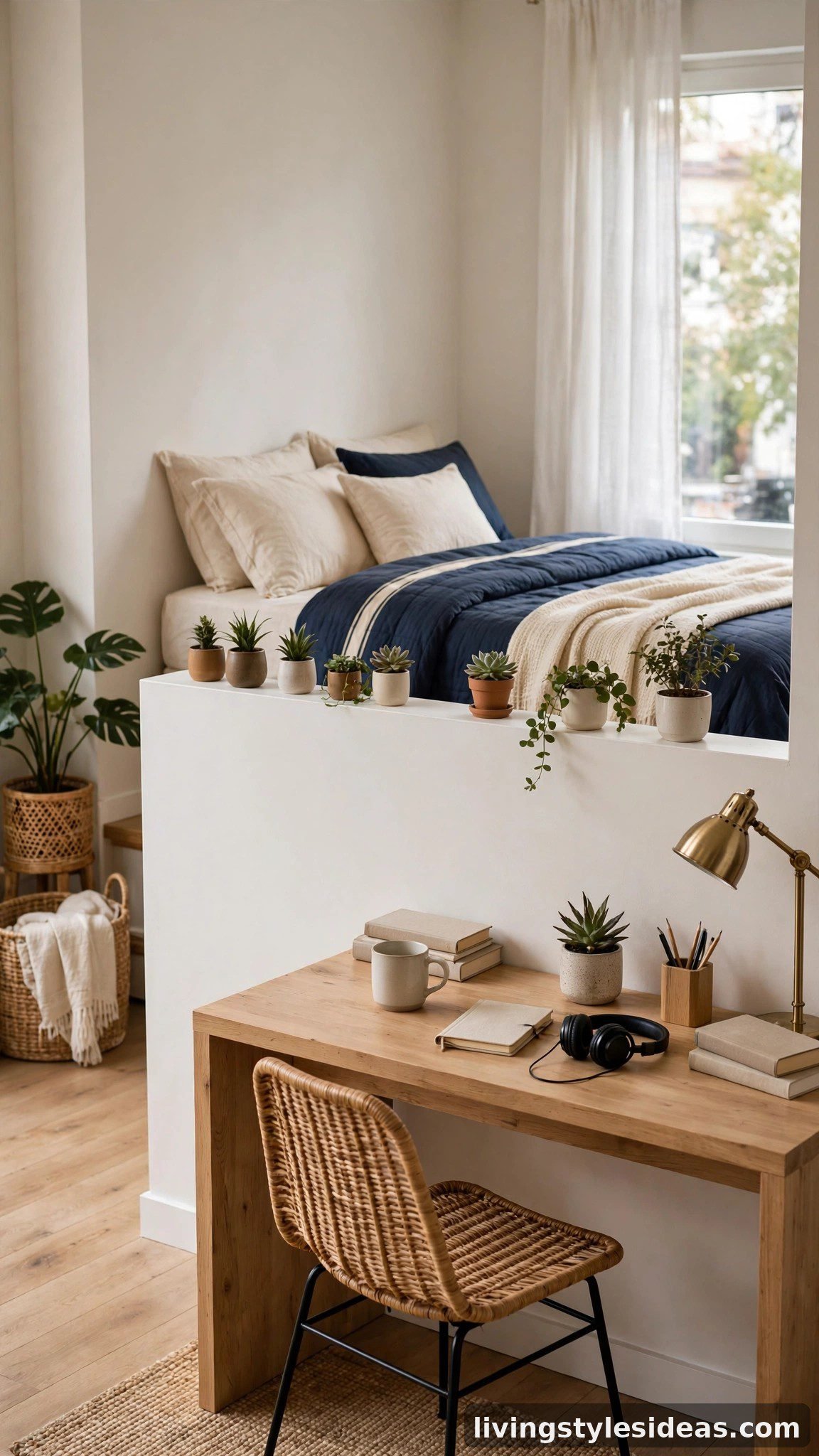
A low half-wall — sometimes called a pony wall — separates the bed from the living area while keeping sightlines open above it. At around 42 inches high, it hides the bed from the sofa view but lets light and conversation flow. Top it with a deep cap you can style with plants and candles, and it doubles as a display shelf. This is a great option if you own the space and can build a simple framed partition.
11. Build a Sleep Pod With Blackout Curtains
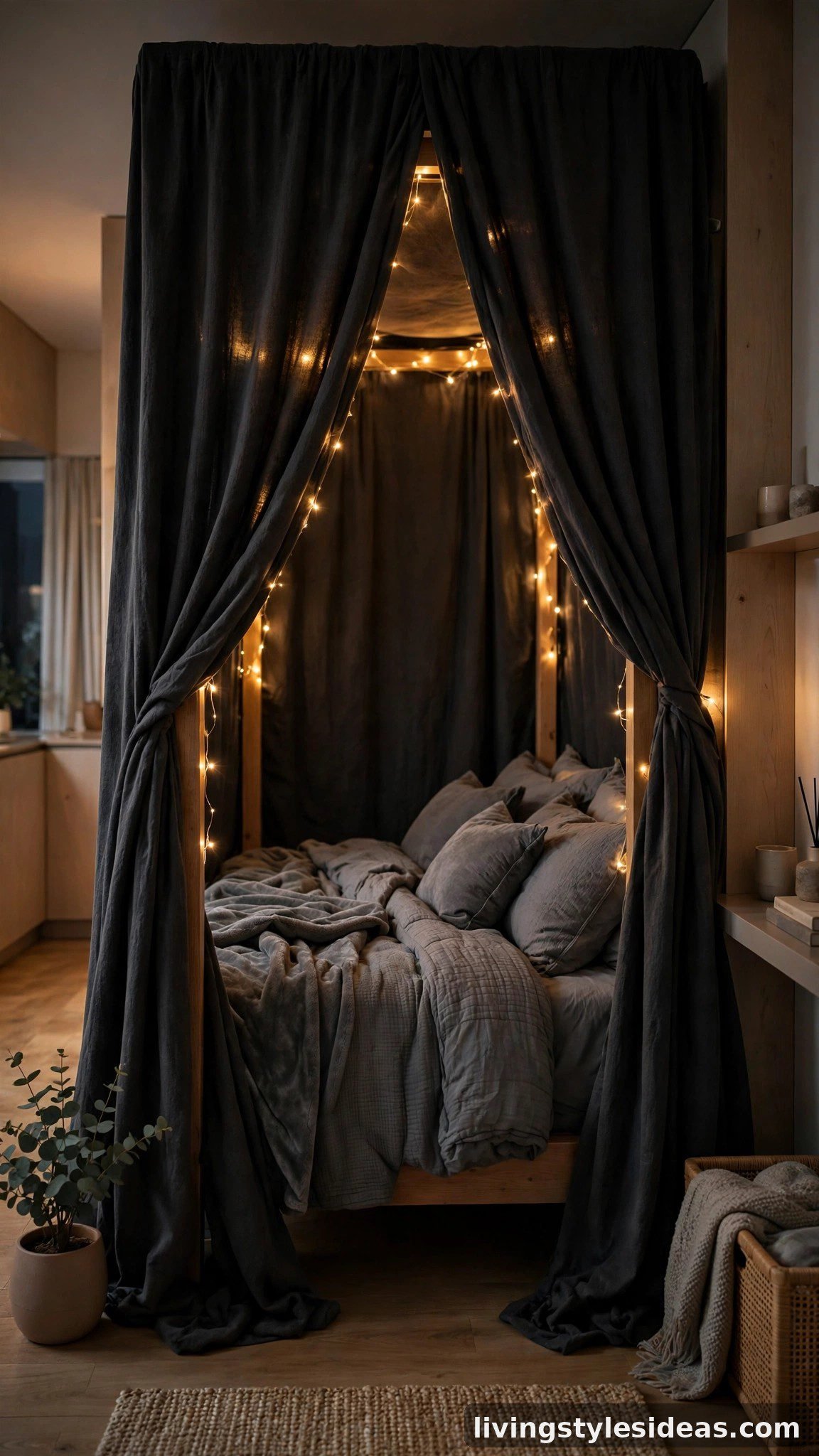
For light sleepers, a sleep pod is a game changer. Hang heavy blackout curtains around a four-poster or ceiling-tracked frame, and inside you get total darkness, hushed sound, and a cave-like sense of enclosure. Add warm fairy lights or a small reading lamp inside so it feels like a luxury tent rather than a dark box. You will be amazed how much better you sleep in a cocoon you built yourself.
12. Raise the Bed on a Storage Platform
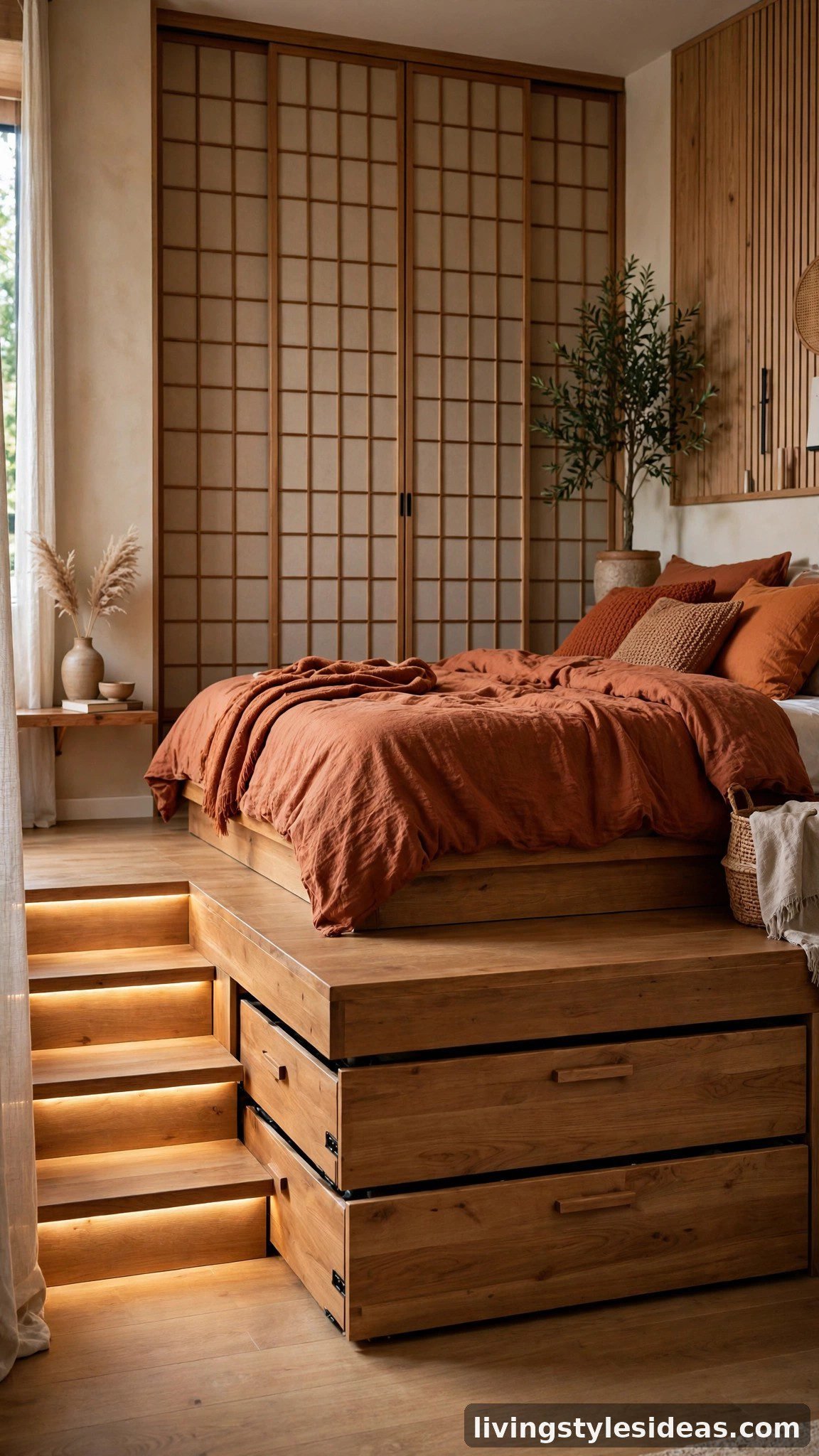
A raised platform bed solves two studio problems at once: it defines the sleep zone with a clear step-up boundary and swallows a wardrobe’s worth of stuff in the drawers below. Build or buy a platform 14 to 18 inches high with deep pull-out drawers, and add a small step with LED lighting for nighttime safety. The height difference alone tells your brain “this is the bedroom,” even in a single open room.
13. Define the Bed Wall With Floating Shelves
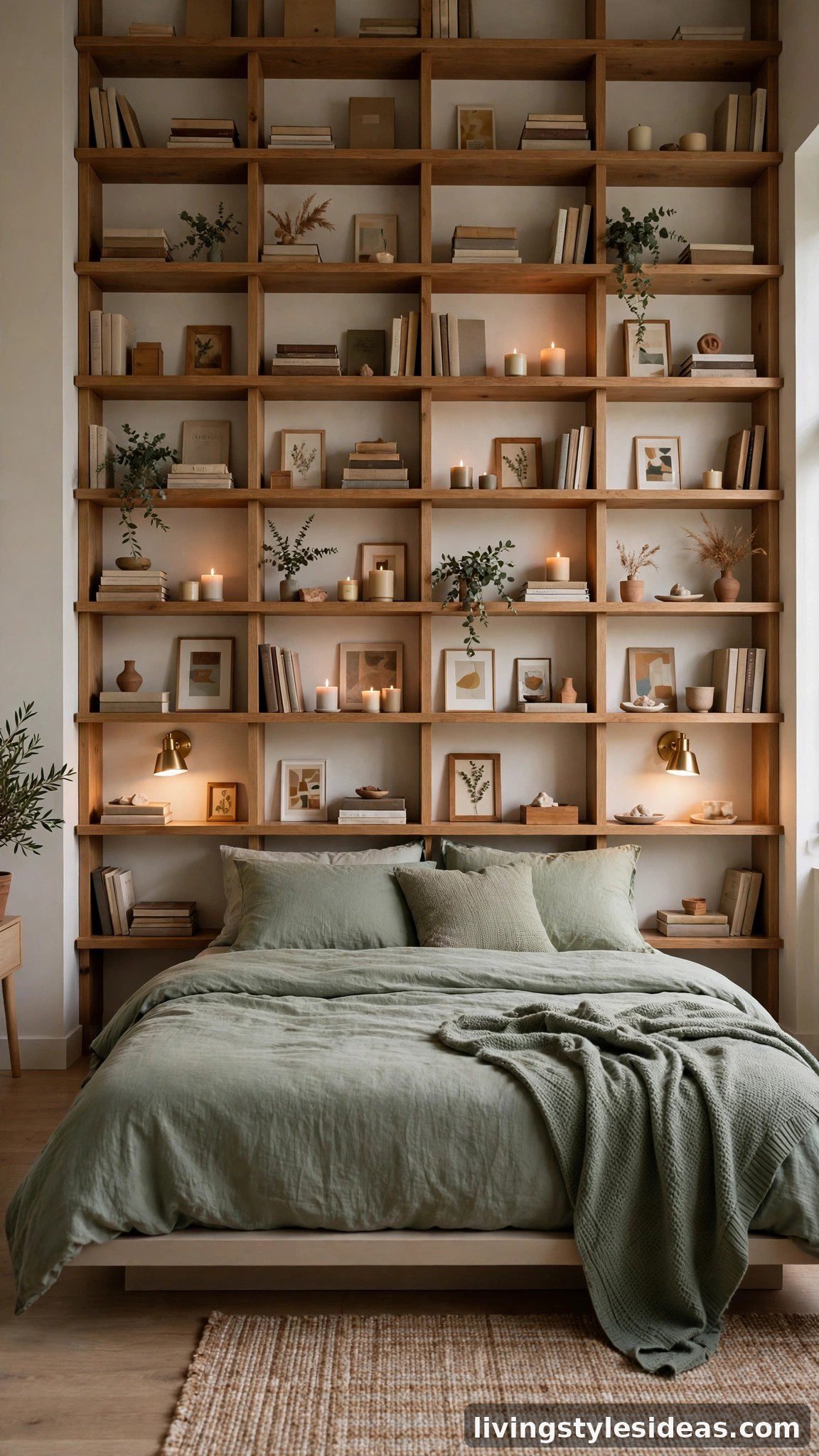
Run floating shelves across the entire wall behind the bed, floor to near-ceiling, and the bed zone instantly reads as a designed bedroom rather than a mattress in a corner. Style the shelves with books, candles, and small art at the top, and keep the lowest shelf clear as a nightstand surface. A full headboard wall gives the sleeping area architectural presence that no amount of bedding alone can achieve.
14. Enclose With Frosted-Glass Sliding Panels
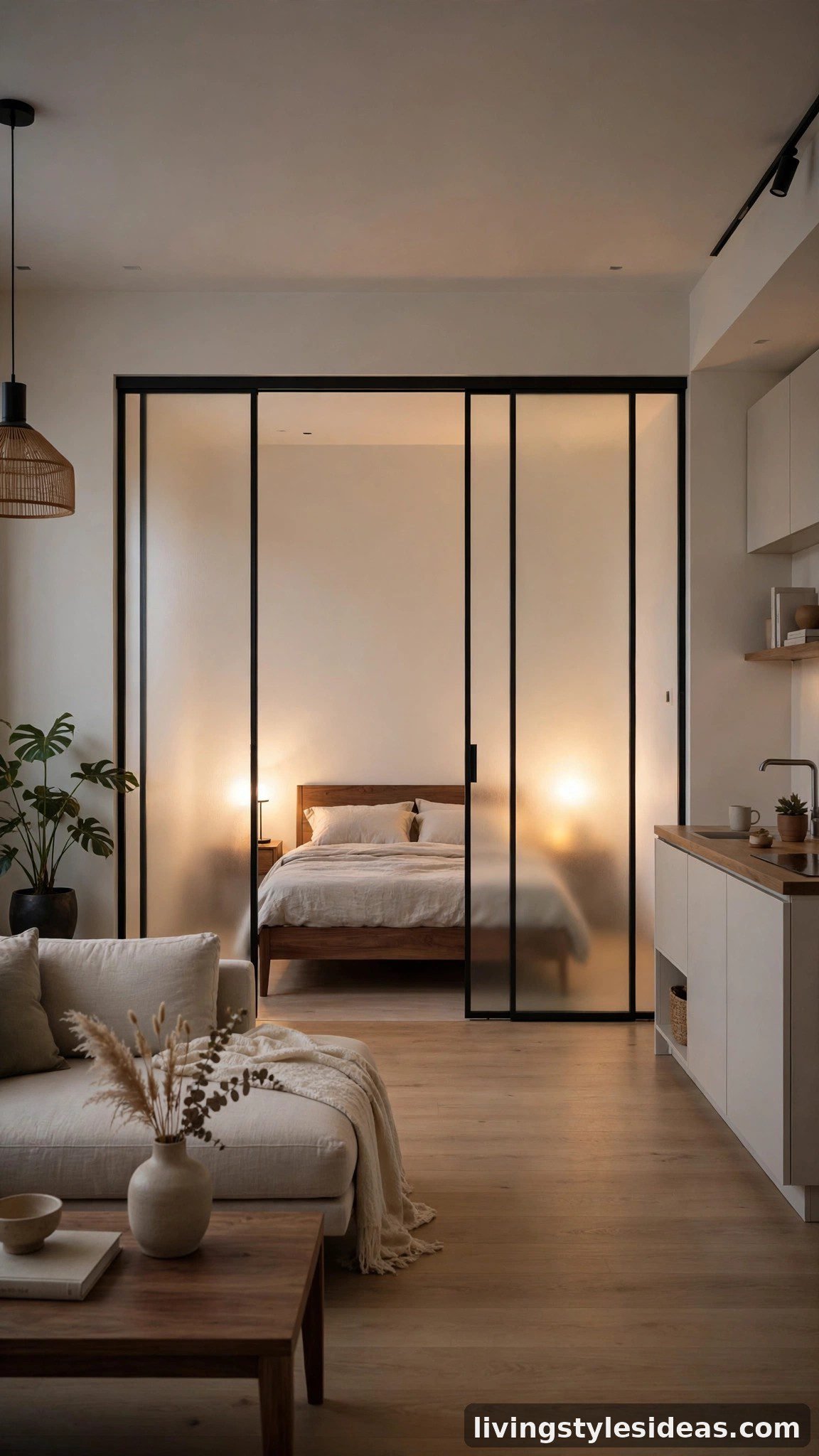
Sliding frosted-glass panels give you the separation of a wall with the light of an open plan. Mount them on a ceiling track across the sleeping area; by day they stack to one side, by night they close into a glowing, private chamber. The frosted surface diffuses lamplight beautifully while hiding clutter and bedding from view. Black-framed panels add a crisp, modern edge that suits contemporary studios.
15. Anchor the Corner With a Rug and Gallery Wall
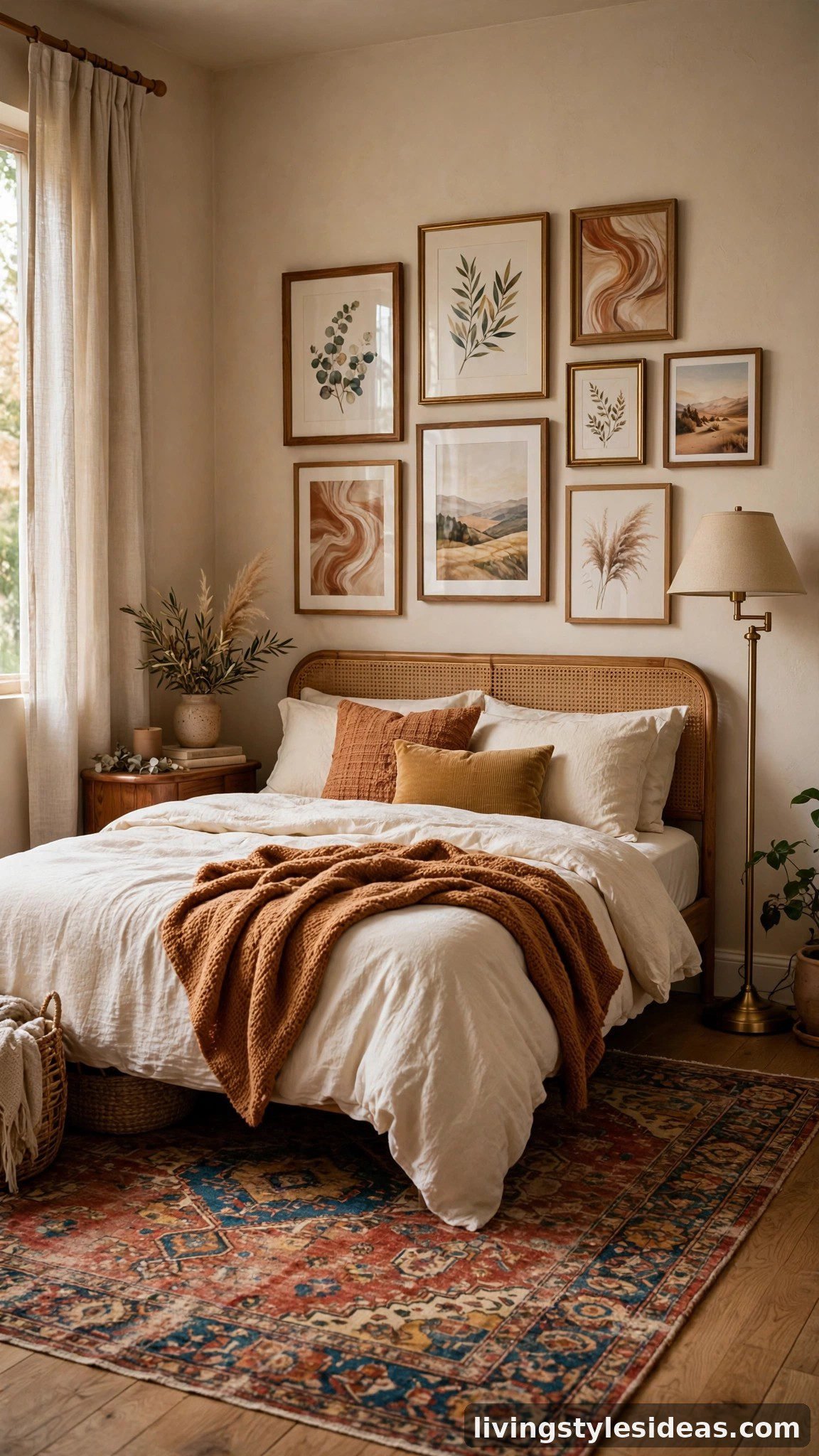
You can zone a sleep area with nothing more than decor. A large rug under and around the bed declares “bedroom territory” on the floor, while a gallery wall above the headboard gives the corner its own identity. Choose art and a rug palette distinct from the living area — warmer, moodier tones work well — and the two zones will feel intentionally separate. Add a floor lamp with a warm bulb to complete the retreat.
16. Turn the Window Side Into a Sunny Sleep Nook
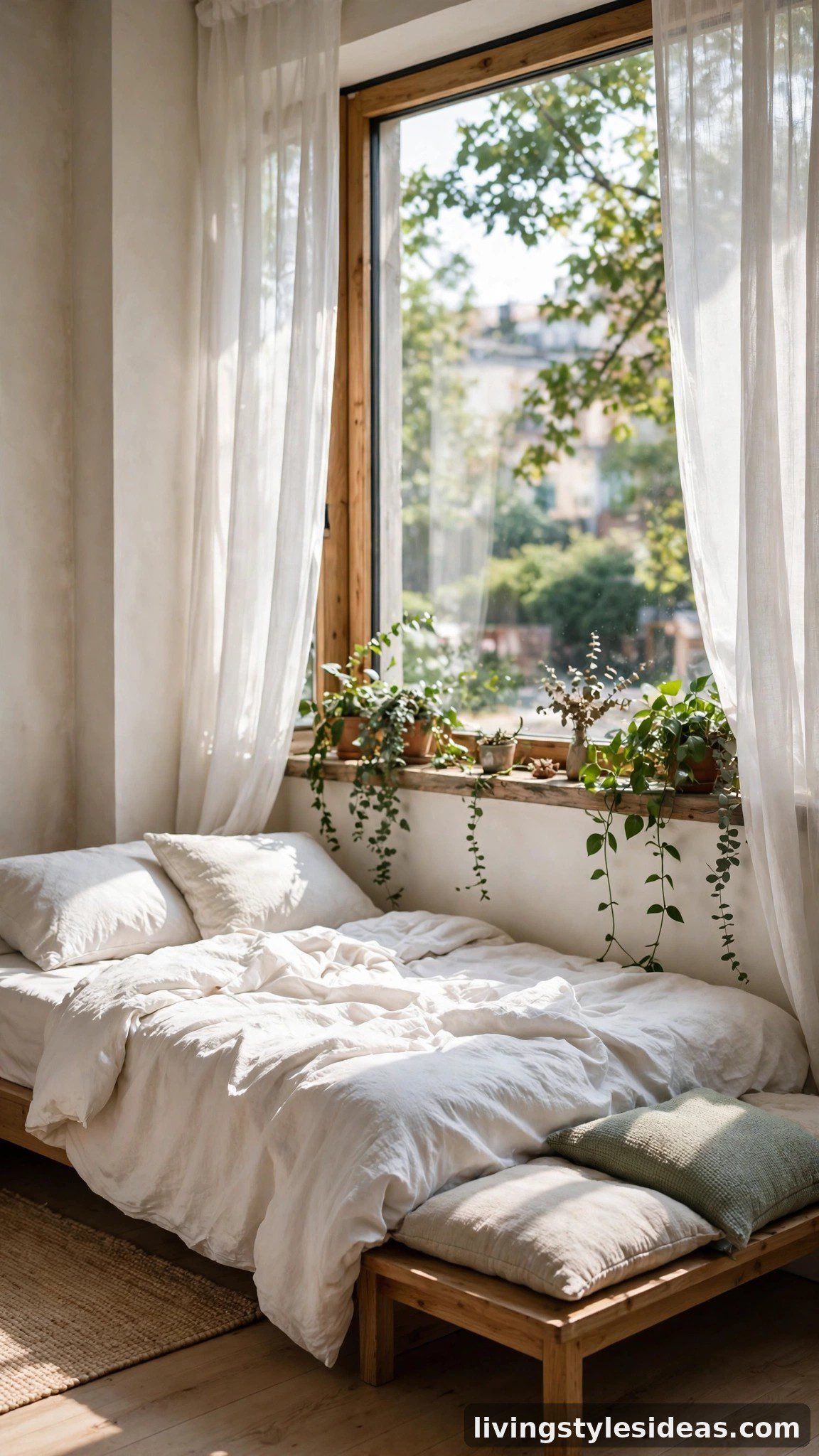
If your studio has one great window, give it to the bed. A low platform bed tucked beneath the window with sheer curtains, morning light, and a small bench at the foot makes the most naturally pleasant sleep zone in the apartment. The window itself becomes the headboard, and plants on the sill thrive in the light. Keep bedding simple and let the view — and the sunrise — do the decorating.
FAQ
How can I separate my sleeping area in a studio apartment without building walls?
You have plenty of no-drill options: ceiling-track curtains, folding screens, open bookshelves, and sliding barn doors all create a real sense of separation without construction. For the strongest effect, combine a visual divider with zoning cues like a rug, dedicated lighting, and a different color palette in the sleep area.
What is the best room divider for a small studio bedroom area?
For most studios, a ceiling-mounted curtain track is the best all-rounder — it is affordable, renter-friendly, fully closes for privacy, and disappears by day. If you need storage too, an open bookshelf divider does double duty. For a more permanent feel without walls, sliding frosted-glass panels or a barn door are excellent upgrades.
Should the bed face the door in a studio apartment?
Ideally, position the bed so you can see the entry without being directly in line with it — this follows the classic “command position” and helps you feel secure while sleeping. In a studio, angling the bed into a corner or alcove usually achieves this naturally. Avoid placing the foot of the bed pointing straight at the front door if the layout allows it.
How do I make a studio sleep zone feel cozy but not cramped?
Keep the sleep zone palette warm and slightly darker than the living area, use layered textiles, and add one warm light source like a sconce or small lamp. Mirrors and light-colored curtains keep it from feeling closed in. The key is contrast: a snug, cocoon-like bed area next to an airy living space makes the whole studio feel bigger, not smaller.
Final Thoughts
A separate sleep zone is the single biggest upgrade you can make to studio living. Whether you hang curtains, raise a platform, or simply zone with a rug and gallery wall, giving your bed its own territory changes how the whole apartment feels — calmer at night, more spacious by day. Start with one idea that fits your budget and your lease, and let the rest of the room follow. Your studio can absolutely feel like a one-bedroom; it just needs a little imagination.