

13 Ways to Pick the Right Sofa Color for Your Studio Apartment
Choosing a sofa colour in a studio apartment is nothing like choosing one for a normal living room. There is no hallway to hide behind and no second reception room to balance it out — your sofa sits in the middle of your entire home, on show from the bed, the kitchen, and the front door. Get the colour right and the whole place feels bigger, calmer, and more pulled together. Get it wrong and it follows you around all day.
Forget vague advice like “go with what you love”. You need decision rules you can actually test before you buy. These 13 practical ways to pick the right sofa colour turn a stressful guessing game into a simple step-by-step process — from your rug and your floors to your light, your view, and the metals in your kitchen.
1. Start with Your Rug’s Dominant Tone
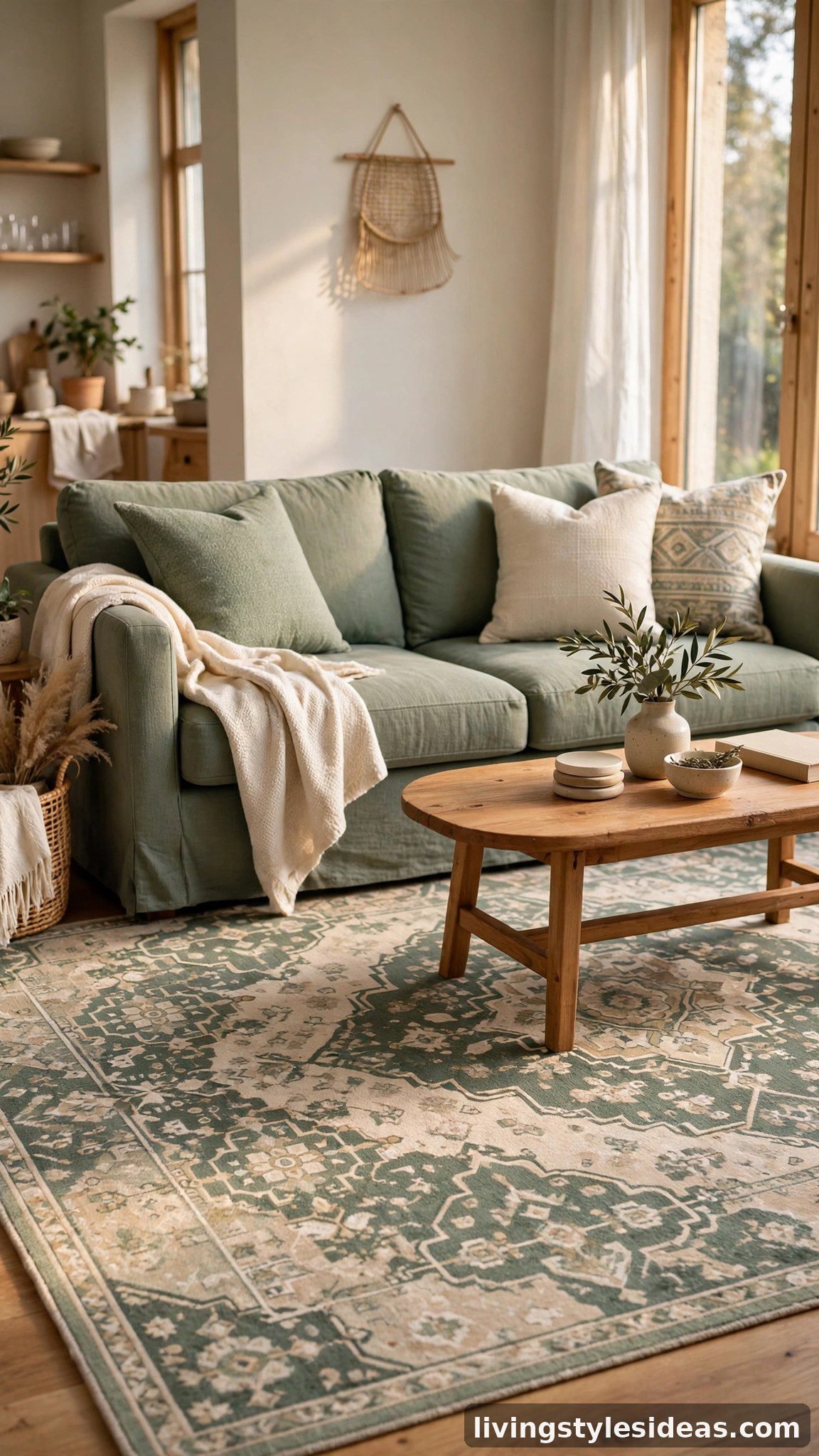
After the sofa itself, the rug is the biggest block of colour in a studio. Pick your rug first, then pull your sofa colour straight from its palette — the dominant tone, the quietest background shade, or a colour that appears in at least two other spots. When the two biggest pieces speak the same colour language, the whole room reads as one calm zone instead of two competing islands. It is the fastest shortcut to a room that looks professionally styled.
2. Test Swatches in Morning AND Evening Light
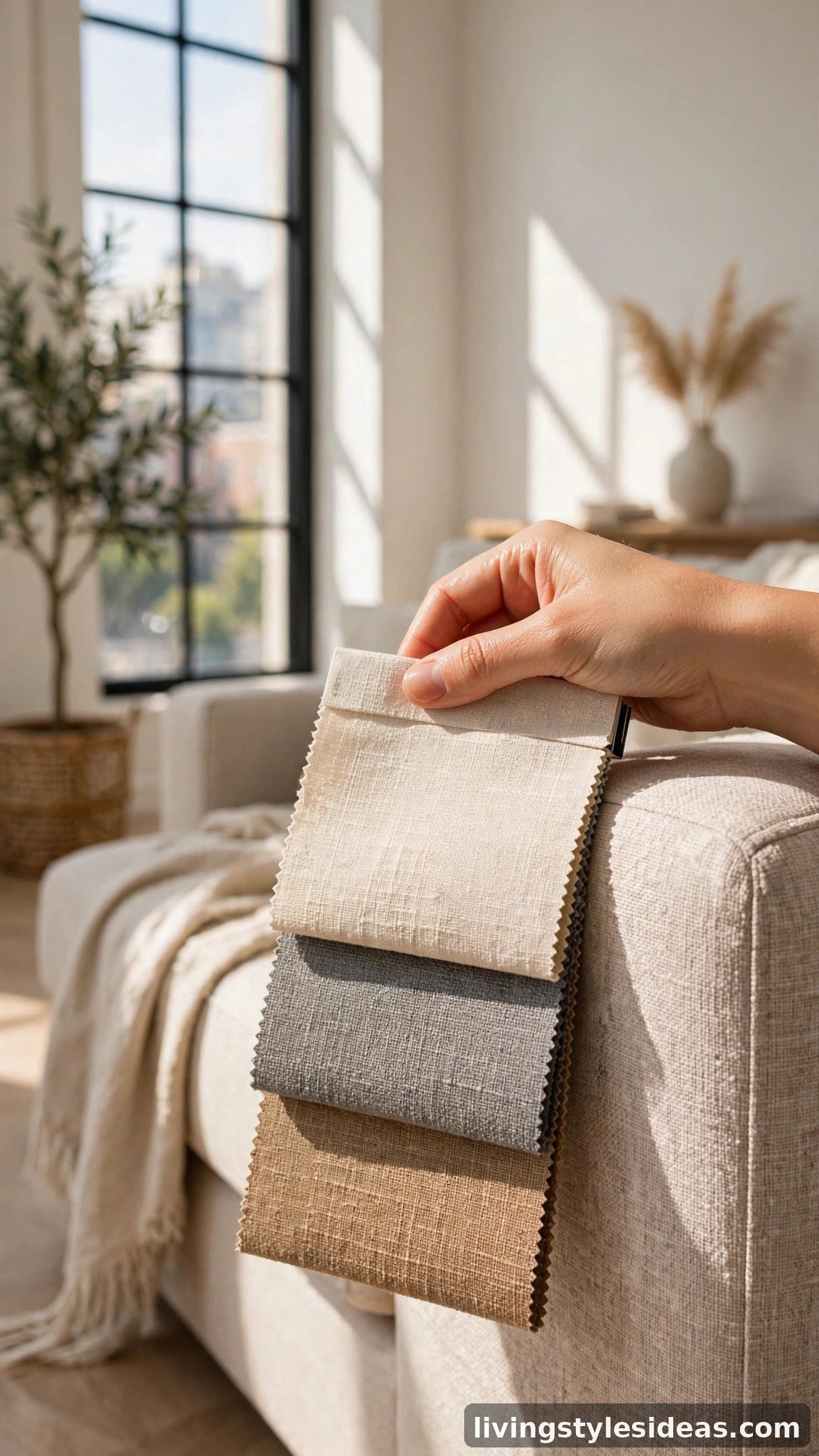
A grey that looks crisp at 10am can turn murky purple under warm evening bulbs, and a beige that glows at sunset can look washed out in bright daylight. Order free fabric swatches and prop them on a chair where the sofa will sit — then look at them twice: once in morning daylight, once after dark with your lamps on. If a shade works in both, it is a keeper. If it only works in one, walk away before it owns your evenings.
3. Match Undertones to Your Wood Floors
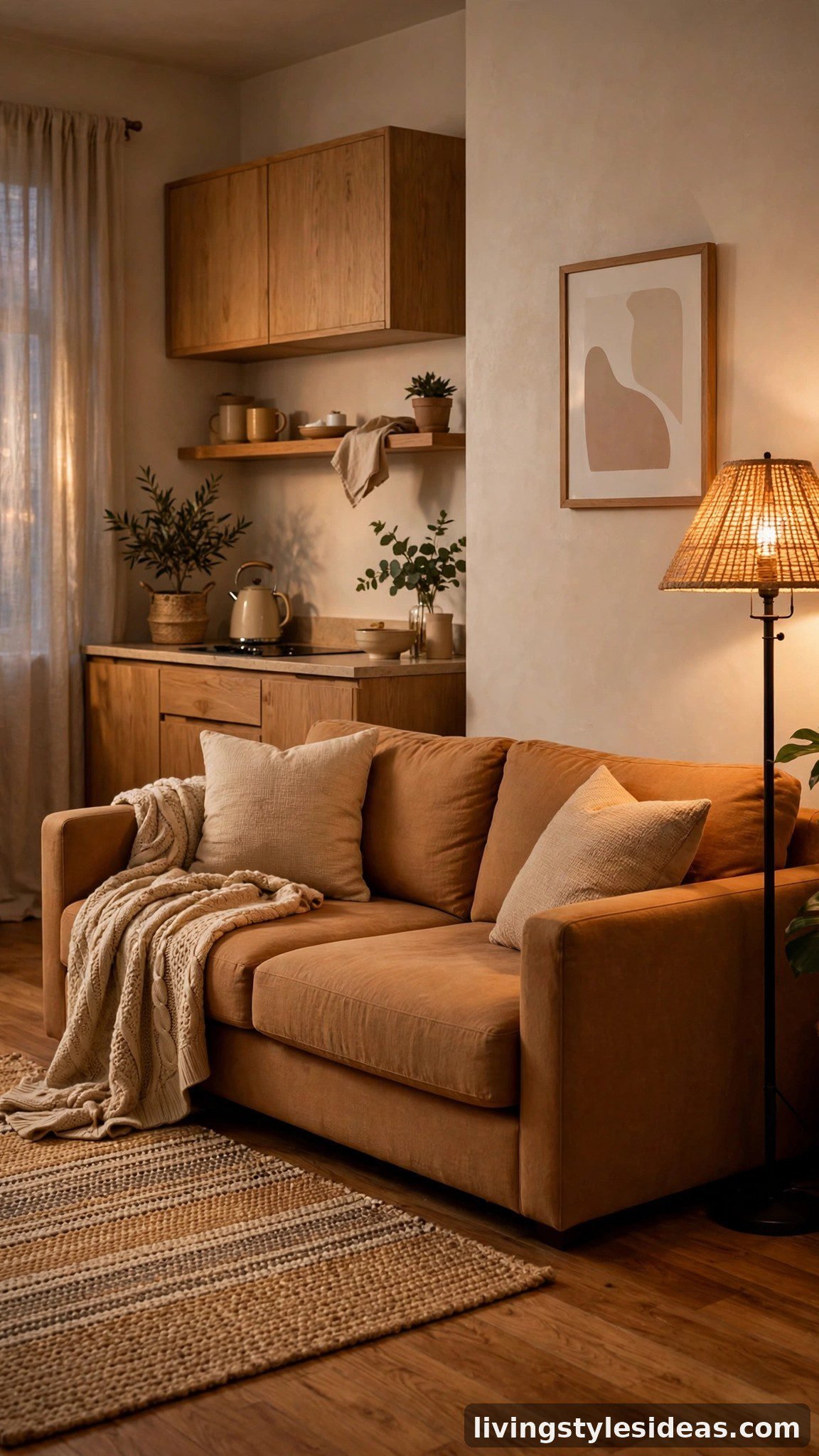
Your floors are the one colour you cannot change, so let them referee. Warm oak or honey-toned floors pair beautifully with warm-based sofas — camel, caramel, terracotta, warm greige. Grey-washed or ashy floors lean cool, so a blue-grey or slate sofa sits far more naturally. When the undertones of your sofa and your floor agree, everything else in the room falls into place with barely any effort.
4. Let the Wall Colour Make the First Decision
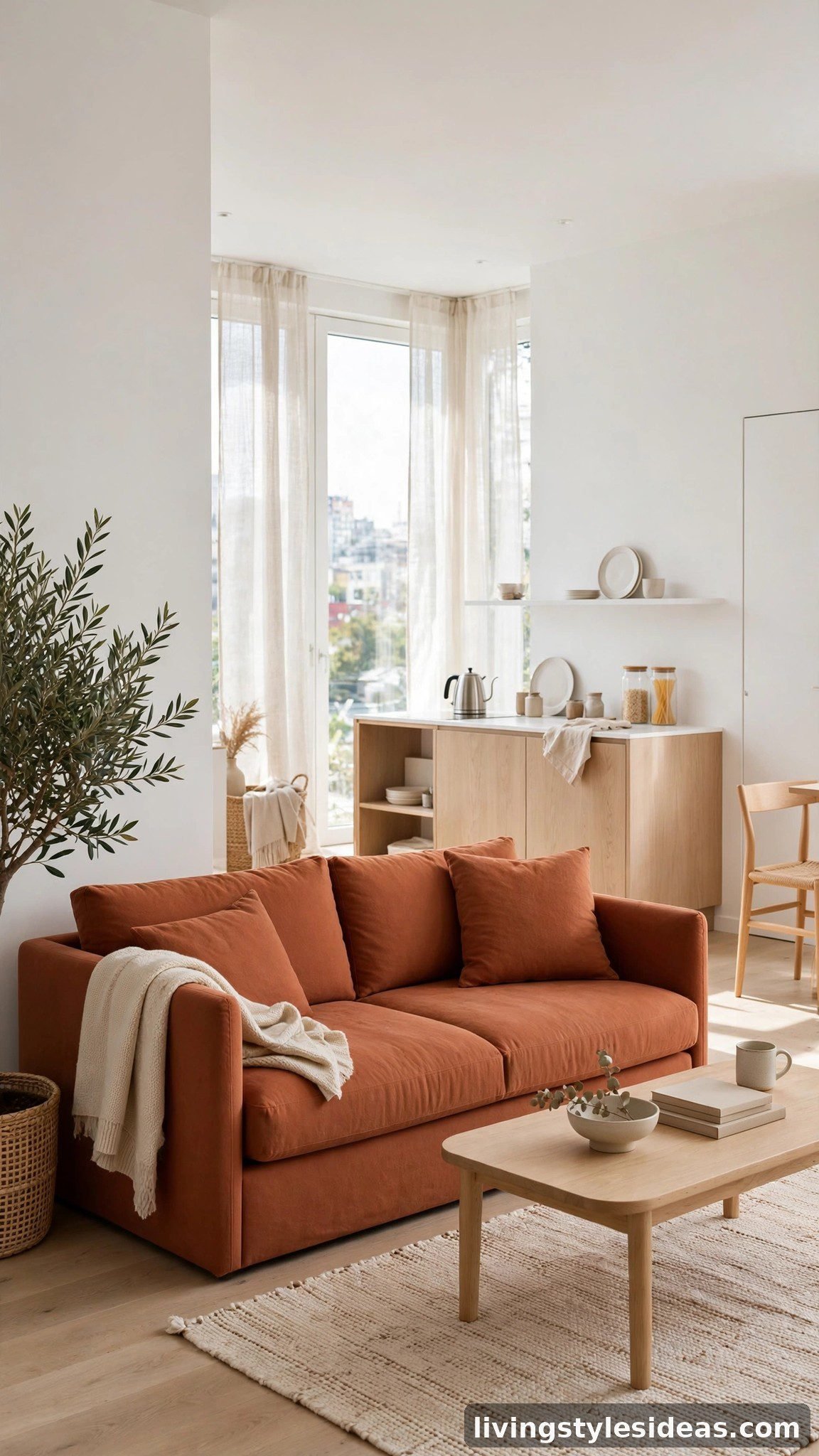
In a studio, walls and sofa are in constant conversation. Bright white walls are a blank cheque — almost any sofa colour works, so this is your chance for a statement shade. But if your rental has warm beige or cream walls, respect them: warm walls plus a cool-toned sofa fight each other all day, while a warm sofa against warm walls feels seamless. Check your walls before you fall in love with a swatch.
5. Borrow the Biggest Colour from Your Wall Art
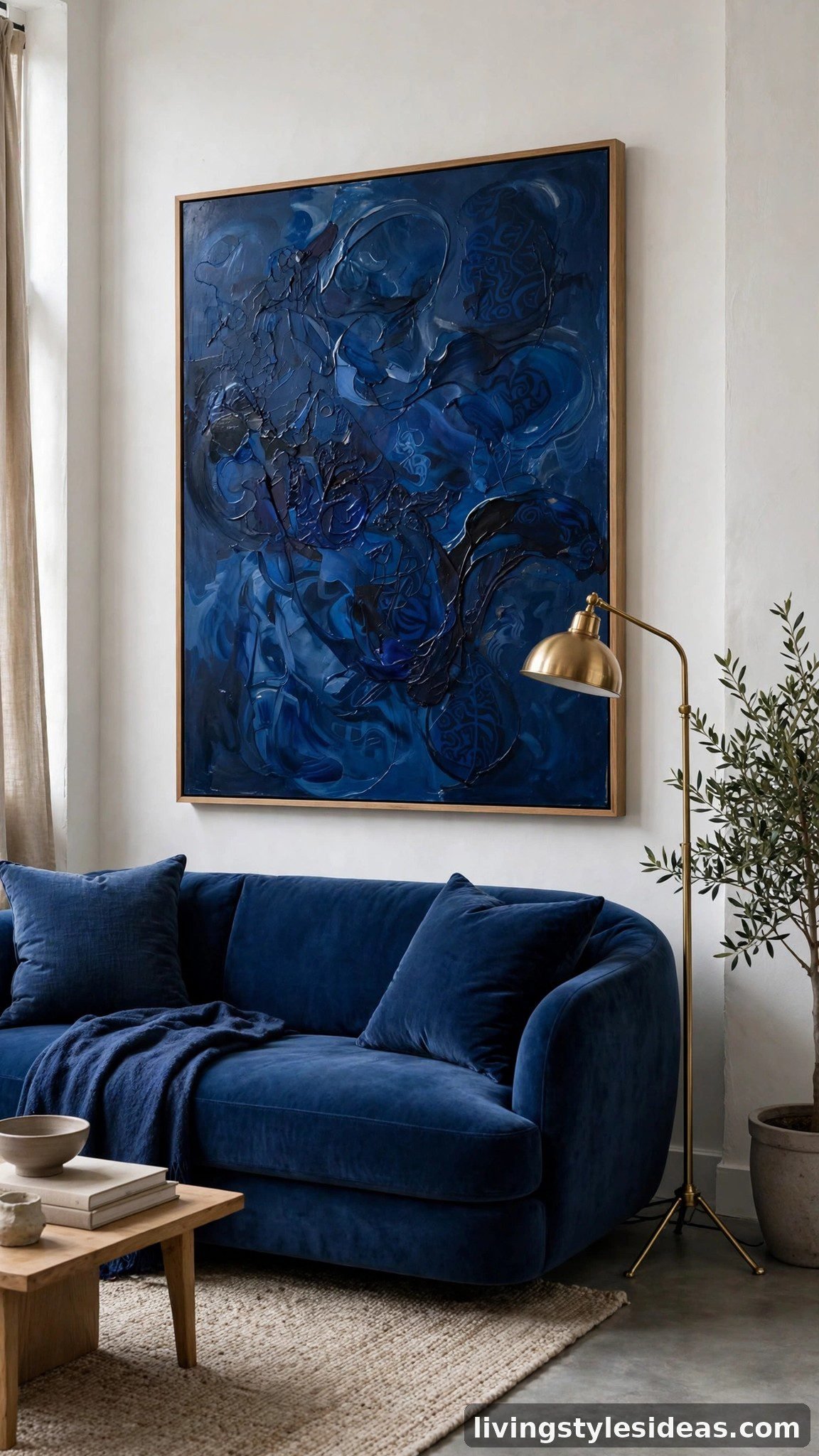
Look at the largest piece of art you own — the dominant colour in it is practically telling you what sofa to buy. A painting that is mostly deep blue will sing next to a navy or slate sofa; a print heavy on ochre will glow above a mustard or caramel seat. This trick works because the art already reflects your taste, and echoing it makes the room feel intentional rather than decorated by accident.
6. Check How It Looks from the Front Door
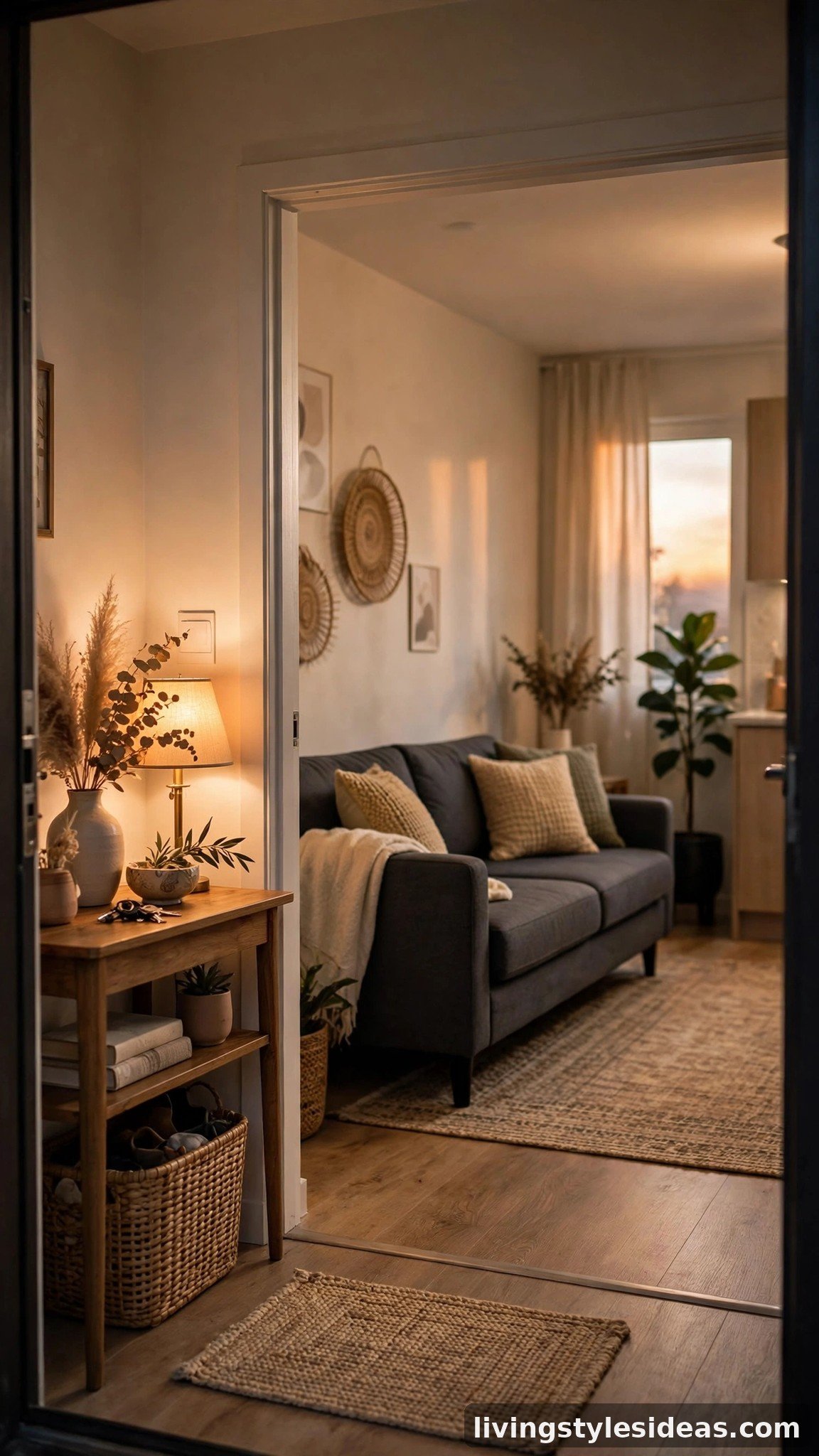
In a studio, you see your sofa the moment you walk in — and so does everyone who visits. Before committing, tape a large sheet of paper in your candidate colour to a chair and stand in your own doorway. Ask yourself: does this colour welcome me home, or does it shout? Does it make the room feel deeper, or does it stop the eye cold? The doorway view is your sofa’s most important audience, so audition for it.
7. Choose a Mid-Tone Over Extremes
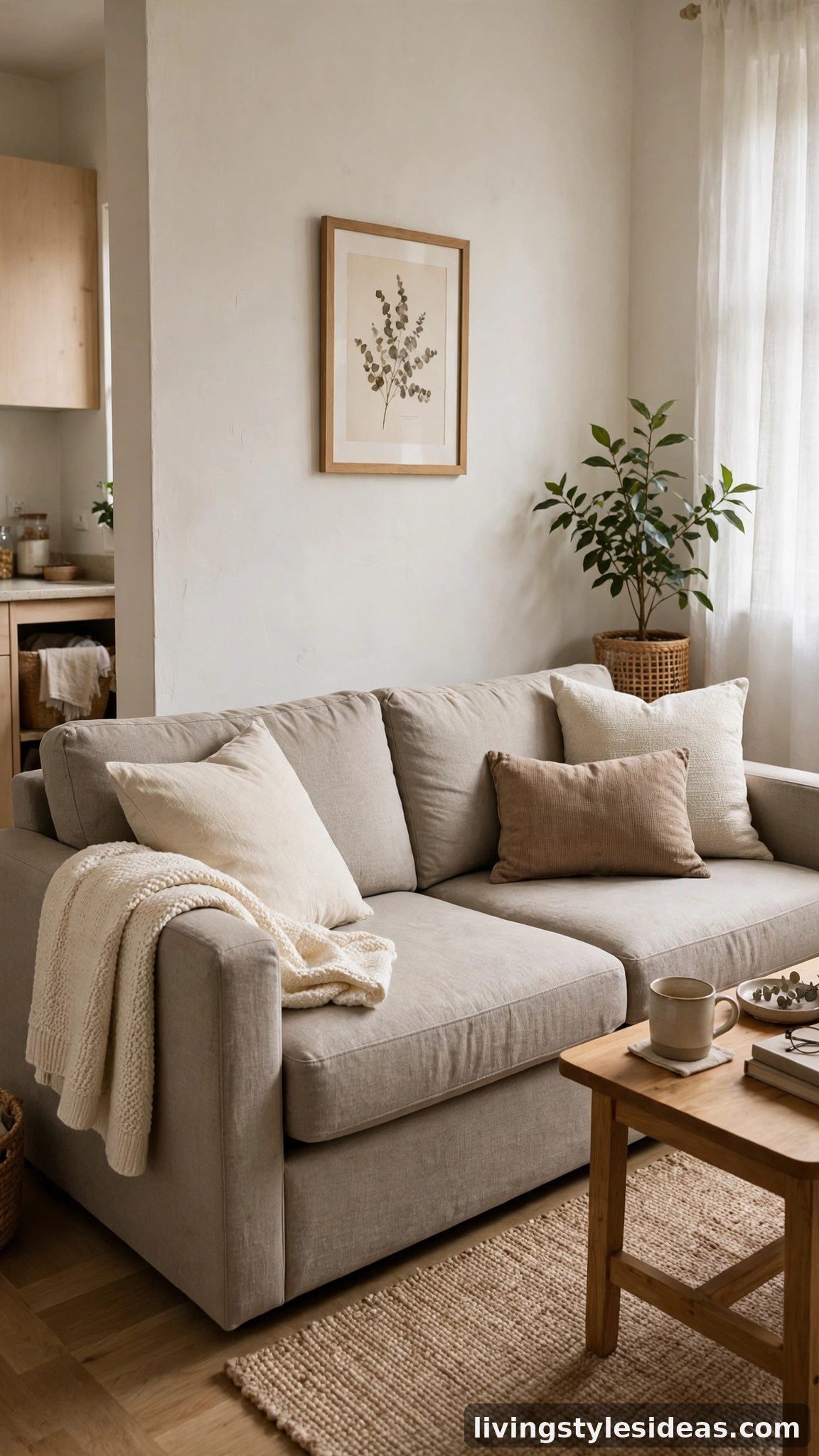
Stark white sofas in a studio mean constant low-level anxiety about every crumb, while jet-black sofas can swallow a small room’s light and feel heavy by evening. The sweet spot is the middle: mid-tone greys, warm taupes, olive, or muted blue. These shades hide everyday life gracefully, stay interesting in all lights, and give you endless cushion options. In a one-room home, the middle of the spectrum is where comfort lives.
8. Coordinate with Your Kitchen’s Metal Finishes
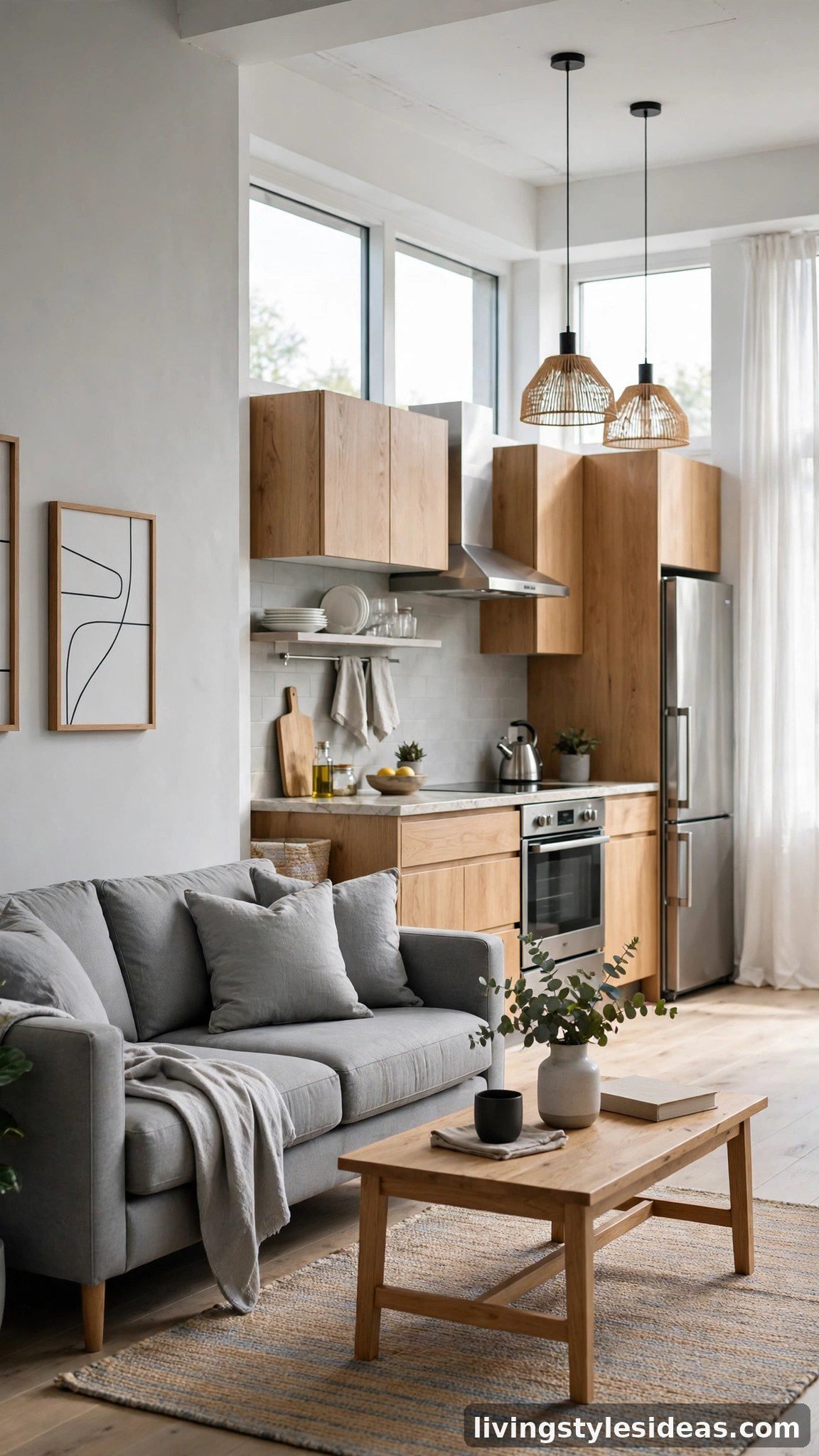
Open-plan studios mean you see your kitchen from your sofa, so treat the two as one space. Stainless steel appliances and chrome handles lean cool — a grey, slate, or blue-toned sofa will harmonise. Brass or matte-black taps and handles lean warm — caramel, olive, or rust-toned seating fits right in. This small detail is what separates rooms that feel designed from rooms that feel assembled.
9. Shop Your Cushion Palette First
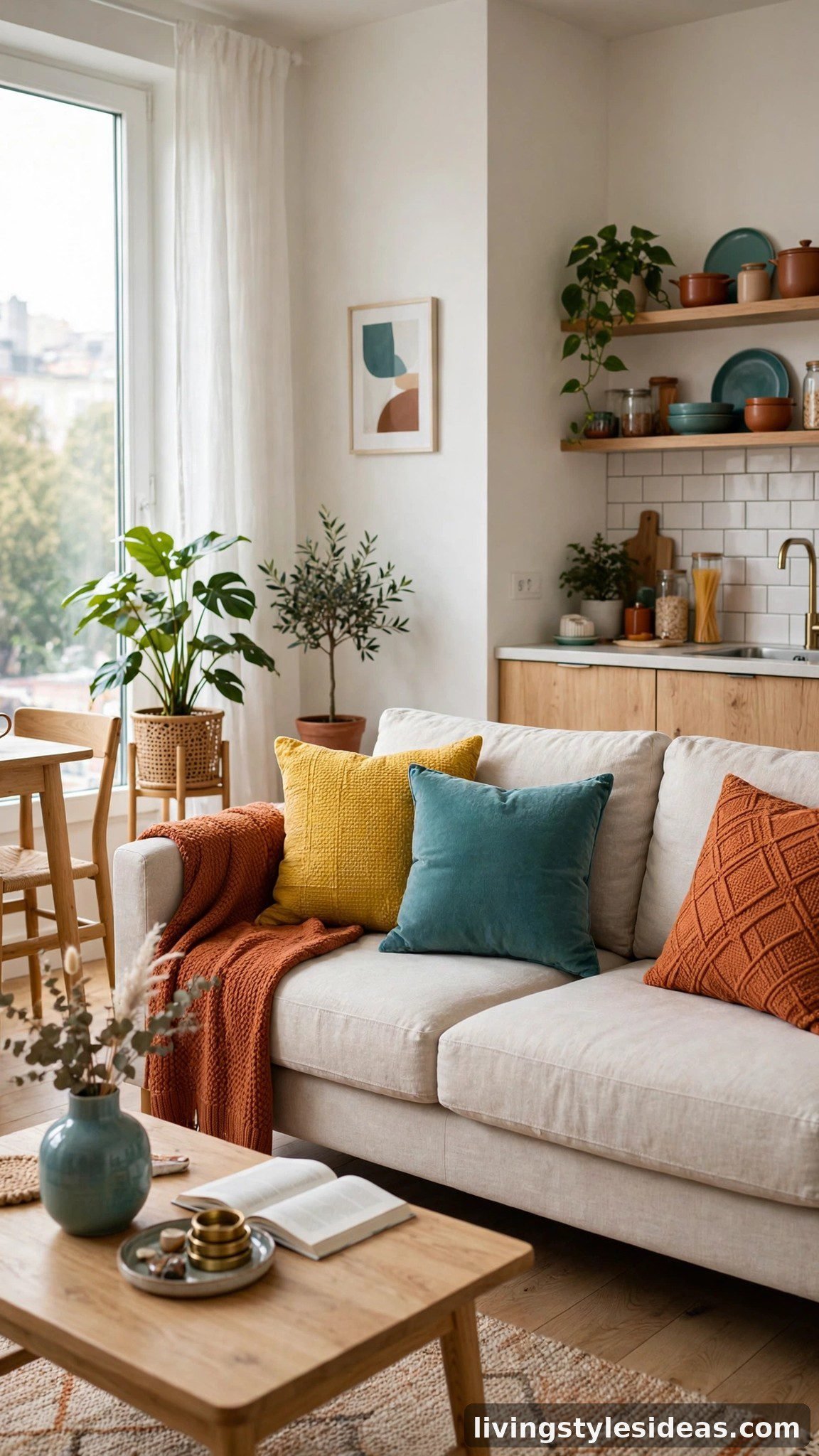
Here is a back-to-front trick: pick the affordable cushion covers you love first, then choose a sofa colour every one of them sits happily on. Cushions are cheap and easy to swap, so building your sofa choice around a palette you already adore guarantees you will love the finished look. A neutral sofa that carries your favourite mustard, teal, and rust pillows beats a bold sofa you are afraid to accessorise.
10. Go Two Shades Deeper Than Your Walls
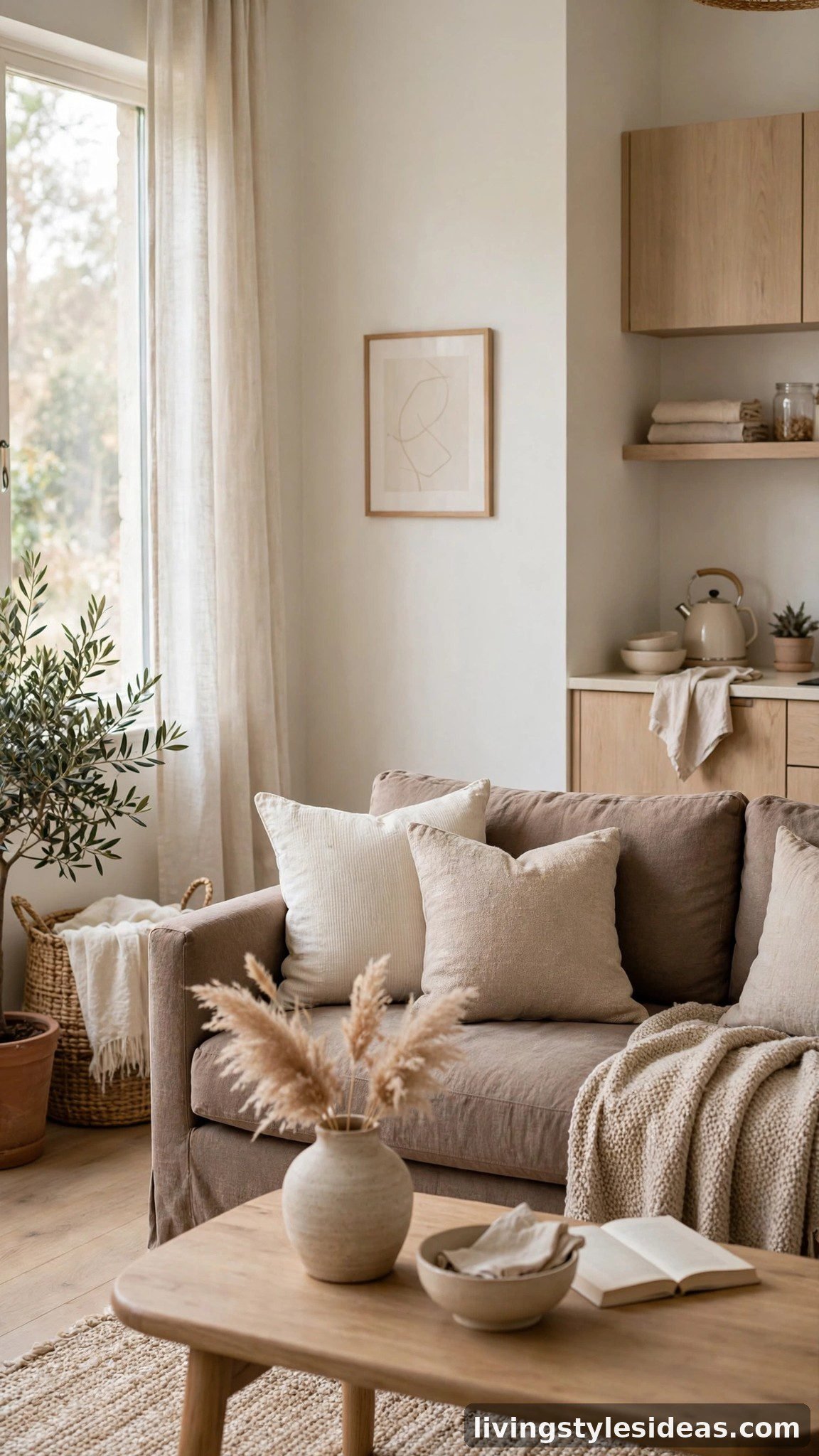
If your walls are pale, a sofa two shades deeper in the same colour family gives you definition without drama. Warm-white walls love a warm taupe sofa; pale grey walls love a mid-grey one. The sofa stands proud of the background instead of disappearing into it, yet nothing clashes. This rule is almost foolproof for renters who cannot repaint — depth, not contrast, is what you are after.
11. Steal the Colour from Your View
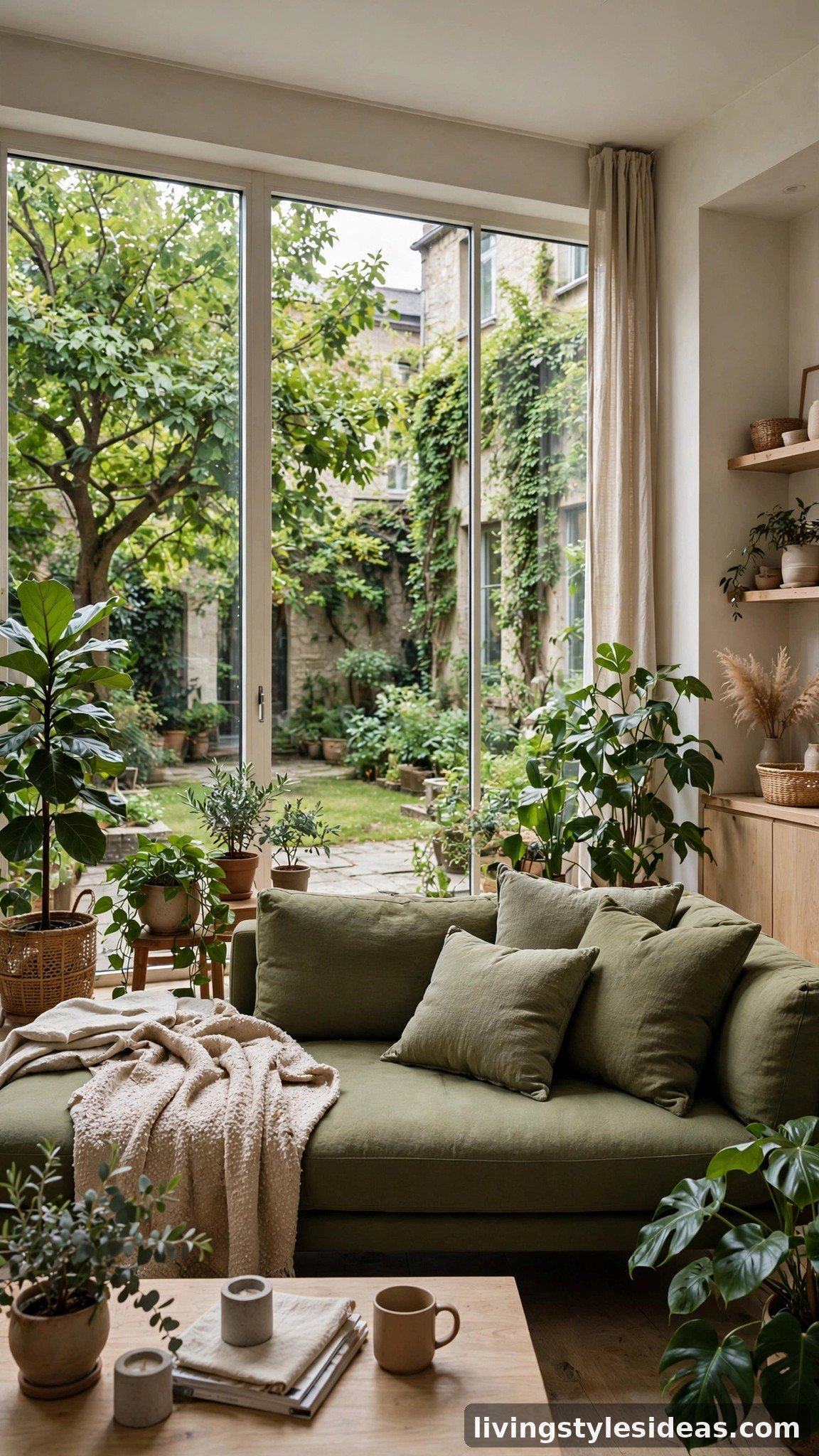
Whatever you look at through your windows is part of your room, so borrow from it. A green courtyard or tree-lined street makes sage and olive sofas feel like a natural extension of the view. A city skyline of glass and steel suits slate and graphite. Matching your sofa to your outlook blurs the boundary between inside and out, which makes the whole studio feel larger than its square footage.
12. Do the Blanket-Drape Test for a Weekend
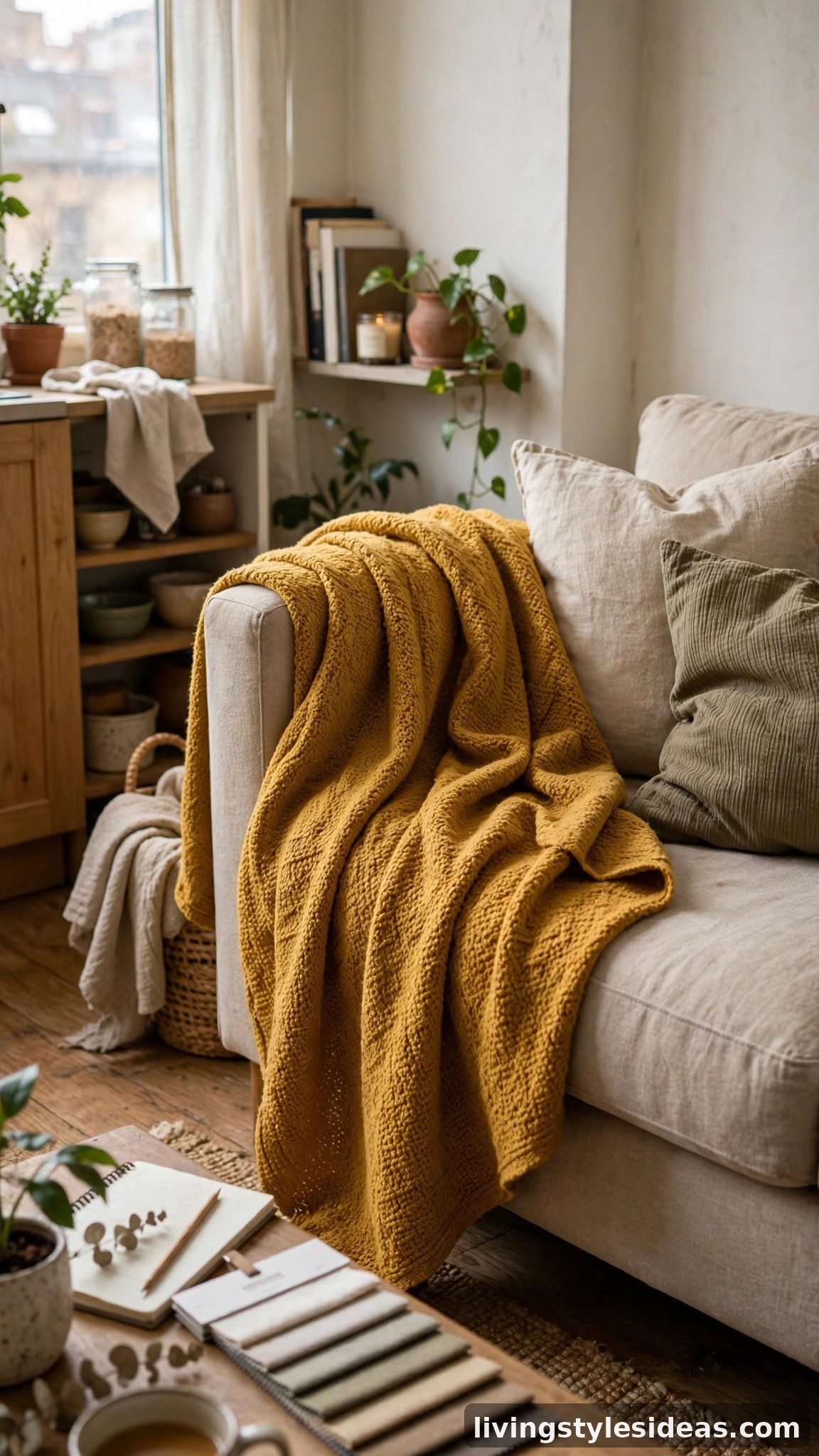
Before you buy, drape a full-size throw in your candidate colour over your current sofa or a spare chair and live with it for a weekend. You will see it in every light, notice whether it cheers you up or irritates you, and discover if it clashes with anything you forgot about. A blanket costs a fraction of a sofa and reveals 90% of what you need to know. If you are still excited on Sunday night, buy with confidence.
13. Sleep on It for 72 Hours
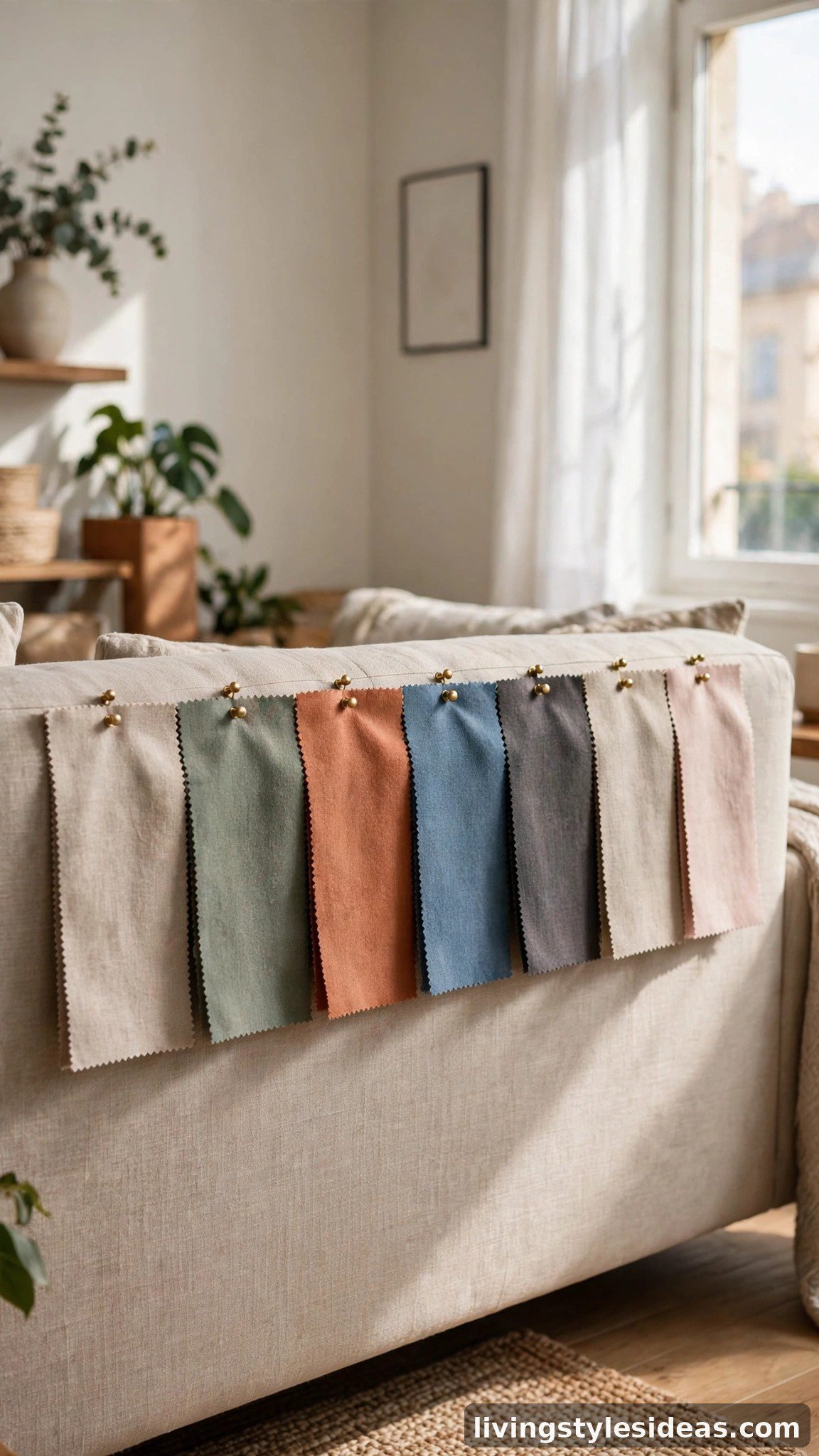
Order the free swatches, pin them to the wall behind where the sofa will go, and give yourself three full days. The colour you keep touching, the one you catch yourself smiling at, the one that looks good in the rain as well as the sun — that is your sofa. A 72-hour pause feels slow, but it is nothing compared to living with the wrong colour for five years. Trust the swatch you cannot stop looking at.
FAQ
What is the safest sofa colour for a studio apartment?
A mid-tone neutral with a warm or cool base matched to your floors — think warm greige, mid grey, or olive. These shades hide wear, work in every light, and accept any cushion palette. They are forgiving if you redecorate around them later, which matters when one sofa serves your whole home.
Should my sofa match my rug exactly?
No — matching exactly looks flat. Instead, pull your sofa colour from the rug’s palette: use a dominant tone, a background shade, or a colour that repeats elsewhere in the room. The goal is harmony, not a perfect match. A sofa that echoes the rug without copying it gives the room depth and interest.
Is a dark sofa a mistake in a small studio?
Not automatically. A dark sofa anchors a studio and can look wonderfully rich — but it needs good lighting to avoid feeling heavy. If you love charcoal or navy, make sure you have bright daylight plus warm lamps for the evening. Also check it from the front door: if it makes the room feel smaller on first sight, go one shade lighter.
How many colours should a studio’s sofa palette include?
Keep it simple: the sofa colour itself, plus two or three supporting colours in cushions, throws, and art. In one open room, every extra colour multiplies visually, so restraint reads as calm. If your sofa is bold, keep everything around it quiet. If your sofa is neutral, two or three accent colours are plenty.
Final Thoughts
Picking the right sofa colour for a studio apartment is not about finding one magic shade — it is about running a few honest tests before you commit. Match your floors, listen to your rug, check the light twice, and let the view and the doorway have a vote. Do the blanket-drape test, sleep on the swatches for 72 hours, and the colour you keep coming back to will be the one that makes your whole one-room home feel like it was designed around it — because, in a way, it was.