

Living in a Studio Apartment: Here’s How to Pick a Sofa Color
In a studio apartment, your sofa is not just a seat — it is the biggest single colour decision in your entire home. It faces the bed, the kitchen, and the front door all at once, so its colour sets the tone for everything. Pick wrong and the whole space feels smaller, darker, or chaotic. Pick right and one open room suddenly feels calm, pulled together, and bigger than it is.
The good news is that choosing well is not about having “an eye for colour.” It is about following a few practical rules that work in any studio. These ten will help you pick a sofa colour that fits your space, your light, and your life.
1. Start With a Neutral Foundation
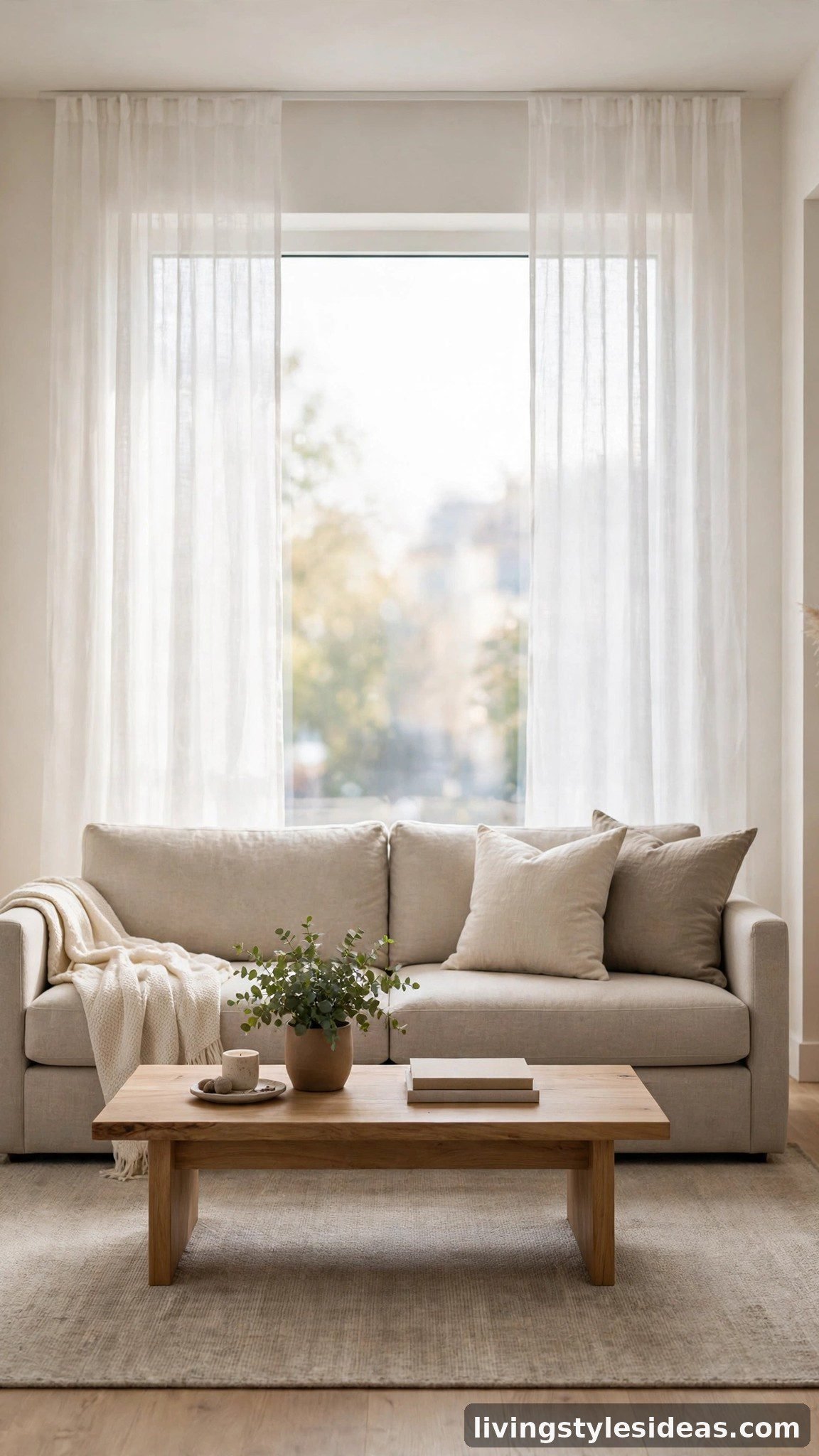
In a studio, the safest sofa colours are true neutrals: warm greige, soft beige, light grey, or creamy off-white. Because your sofa is visible from every corner of the room, a neutral keeps the whole space feeling continuous instead of chopped up. Neutrals also play nicely with almost any wall colour, flooring, and bedding you already have. If you are decorating from scratch and unsure where to begin, a neutral sofa gives you a calm base you can build on for years without regret.
2. Let the Sofa Zone the Living Area
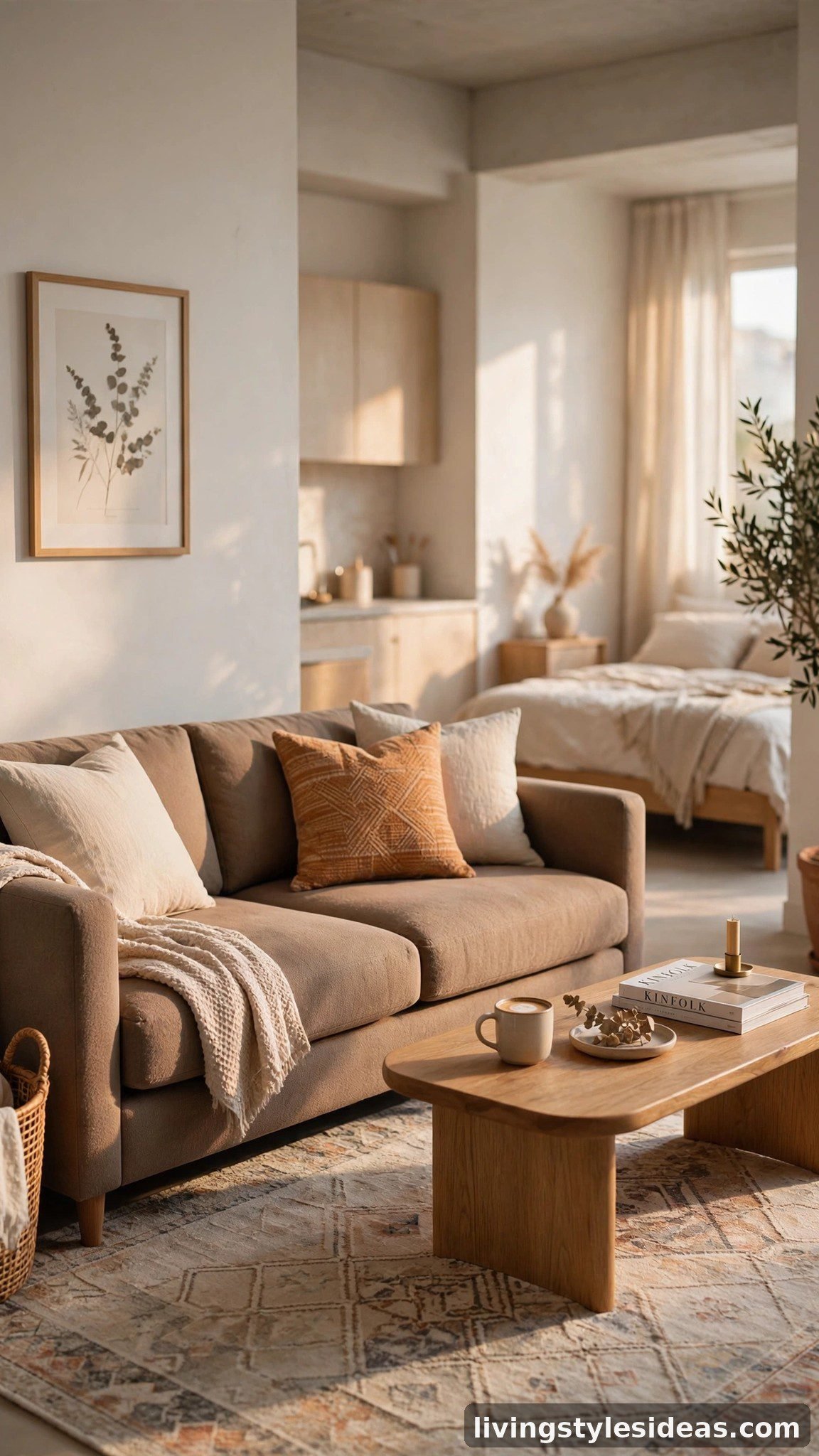
Your sofa colour can do the job of a wall by visually defining where the living room begins. A sofa in a slightly deeper tone than the rest of the room — say a warm taupe or muted olive against pale walls — anchors the seating area without any partition. Add a rug in a complementary tone underneath and the zone is complete. This trick works best when the bed area stays light and airy, so the colour contrast quietly separates “lounge” from “sleep” in one open floor plan.
3. Light Sofa or Dark Sofa? Decide by Size
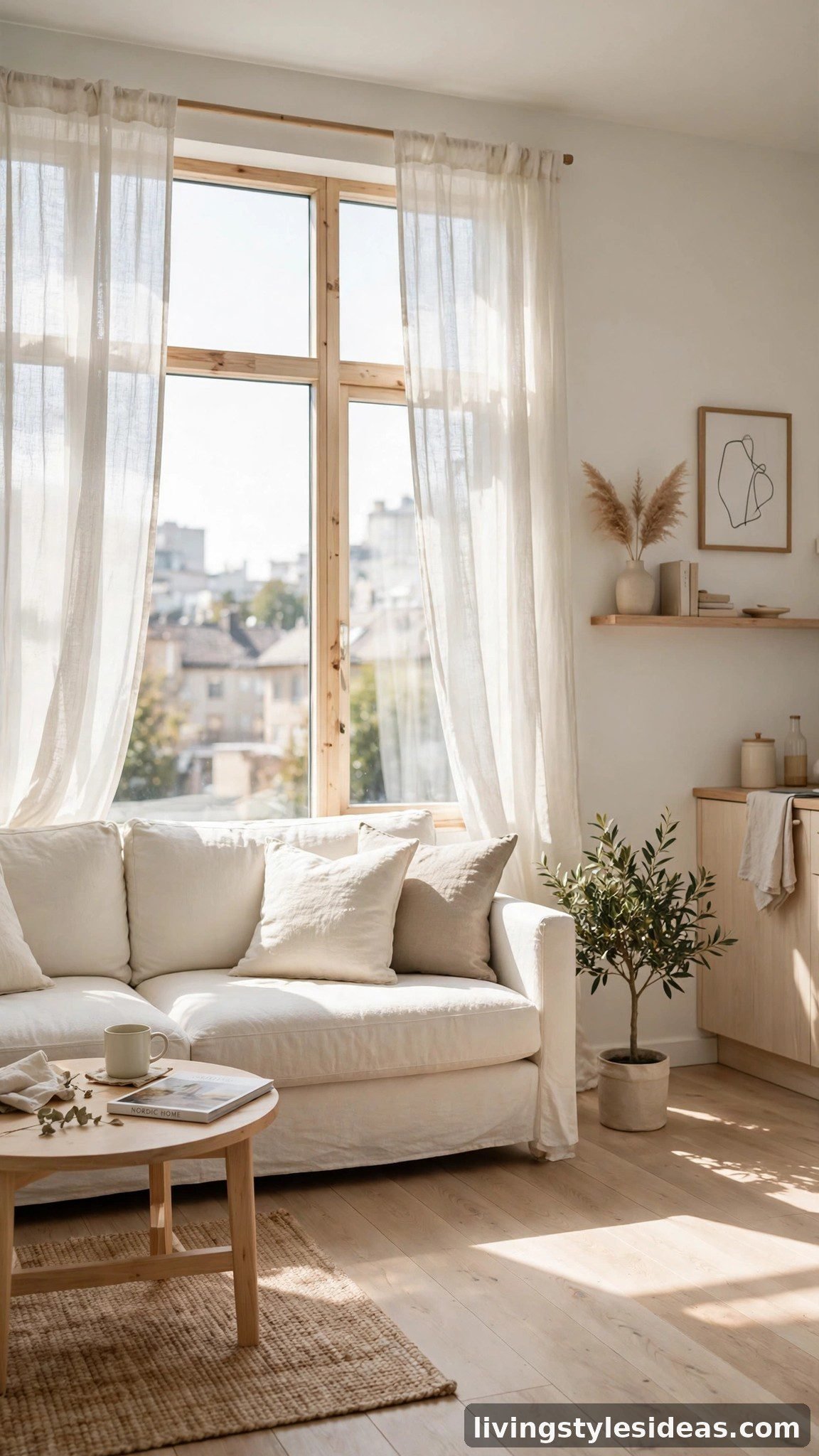
Light-coloured sofas — ivory, sand, pale grey — bounce light around and make a small studio feel noticeably more open. Dark sofas — charcoal, navy, deep green — ground the room and feel dramatic, but they absorb light and can shrink the space visually. If your studio is under 400 square feet or gets little sun, lean light. If you have a larger studio with tall windows, a dark sofa can look incredibly sophisticated. Your square footage should make this decision, not just your taste.
4. Match Undertones to Your Walls

Colour clashes in studios usually come from mismatched undertones, not from the colours themselves. If your walls lean warm (creamy, beige, yellowish white), a cool grey sofa will look flat and muddy next to them. If your walls are cool white or light grey, a warm caramel sofa can look off. Hold fabric swatches against the wall in daylight: warm with warm, cool with cool. Getting undertones right is the invisible detail that makes a sofa look expensive and intentional in its space.
5. Test Colour Against Your Natural Light
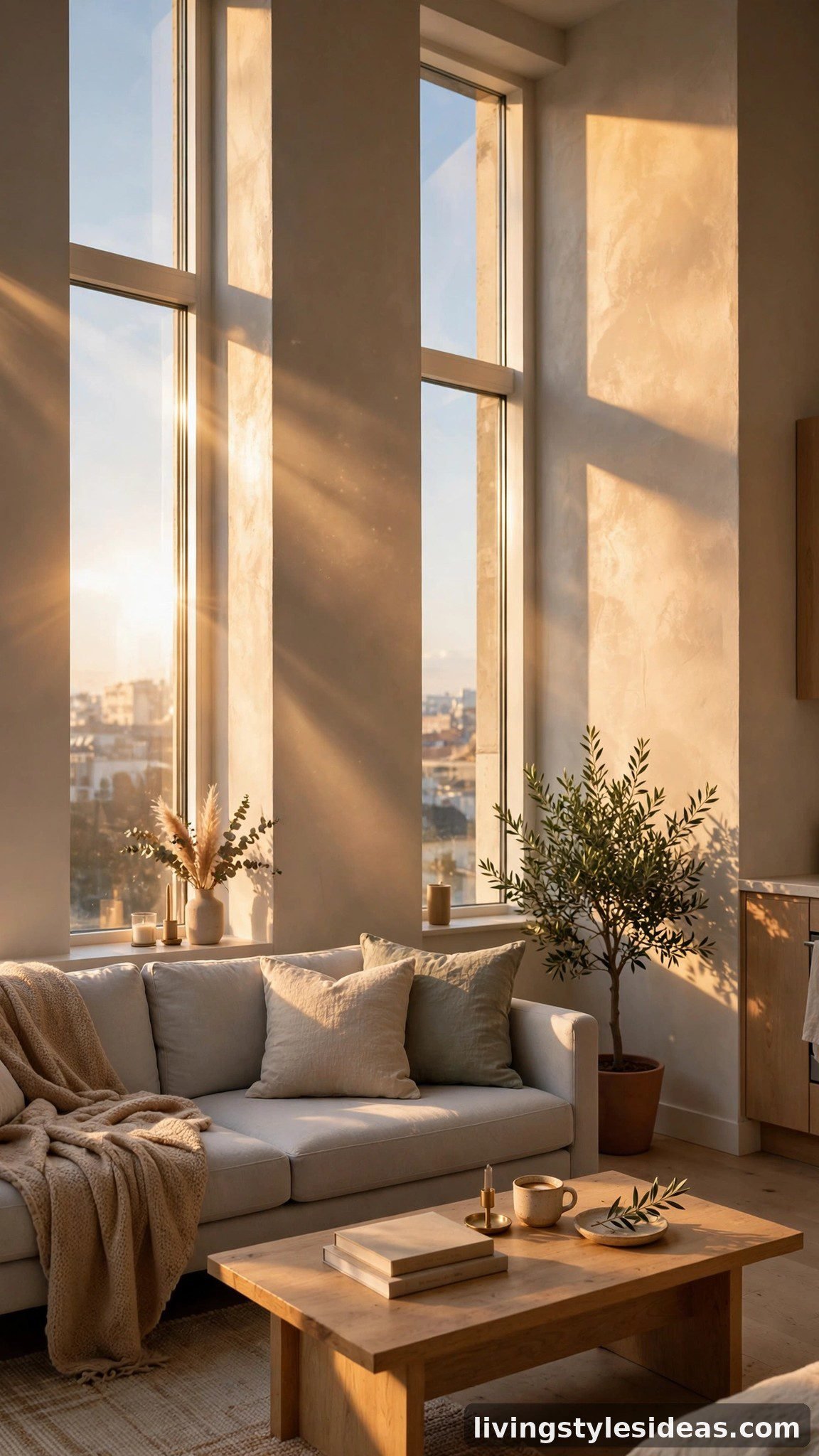
A sofa swatch viewed in a bright shop can look like a completely different colour at home. North-facing studios get cooler, bluer light that dulls warm colours, while south-facing rooms flood warm light that can make beige look yellow. Tape swatches to the wall where the sofa will sit and check them morning, noon, and evening for a few days. This small habit prevents the most common studio mistake: a sofa that looked perfect in store but fights the light in your apartment.
6. Solid Colours Beat Patterns for Longevity
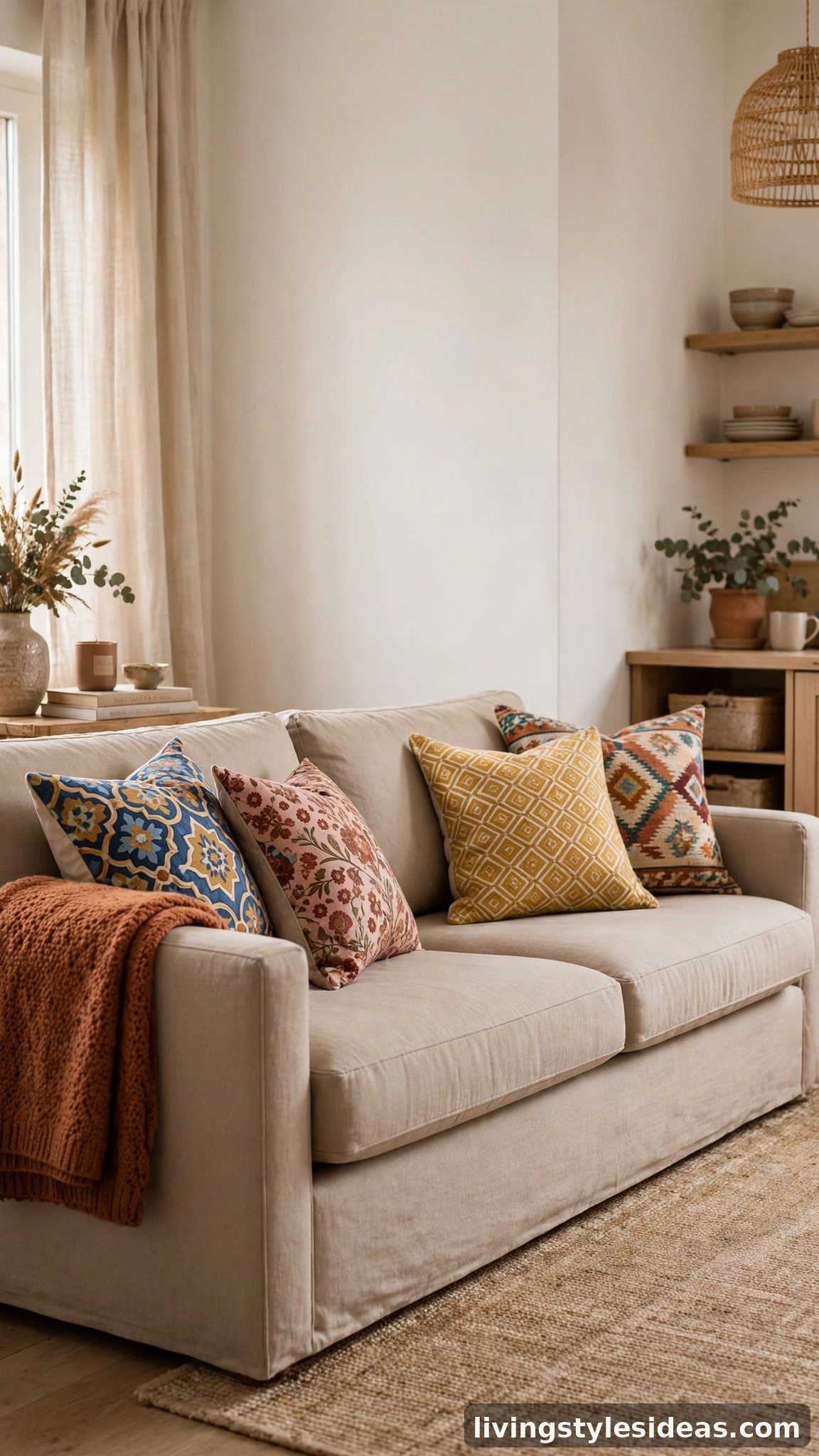
A solid-colour sofa is easier to style, easier to match, and far less likely to date. Patterns lock you into a colour story that is hard to change without buying new furniture — a real problem when the sofa dominates one open room. If you crave pattern, add it in places that are cheap to swap: cushions, throws, and the rug. Keep the big, expensive piece solid and timeless, and let your affordable accessories carry the print. Future you, redecorating on a budget, will be grateful.
7. Go Bold in Small, Strategic Doses
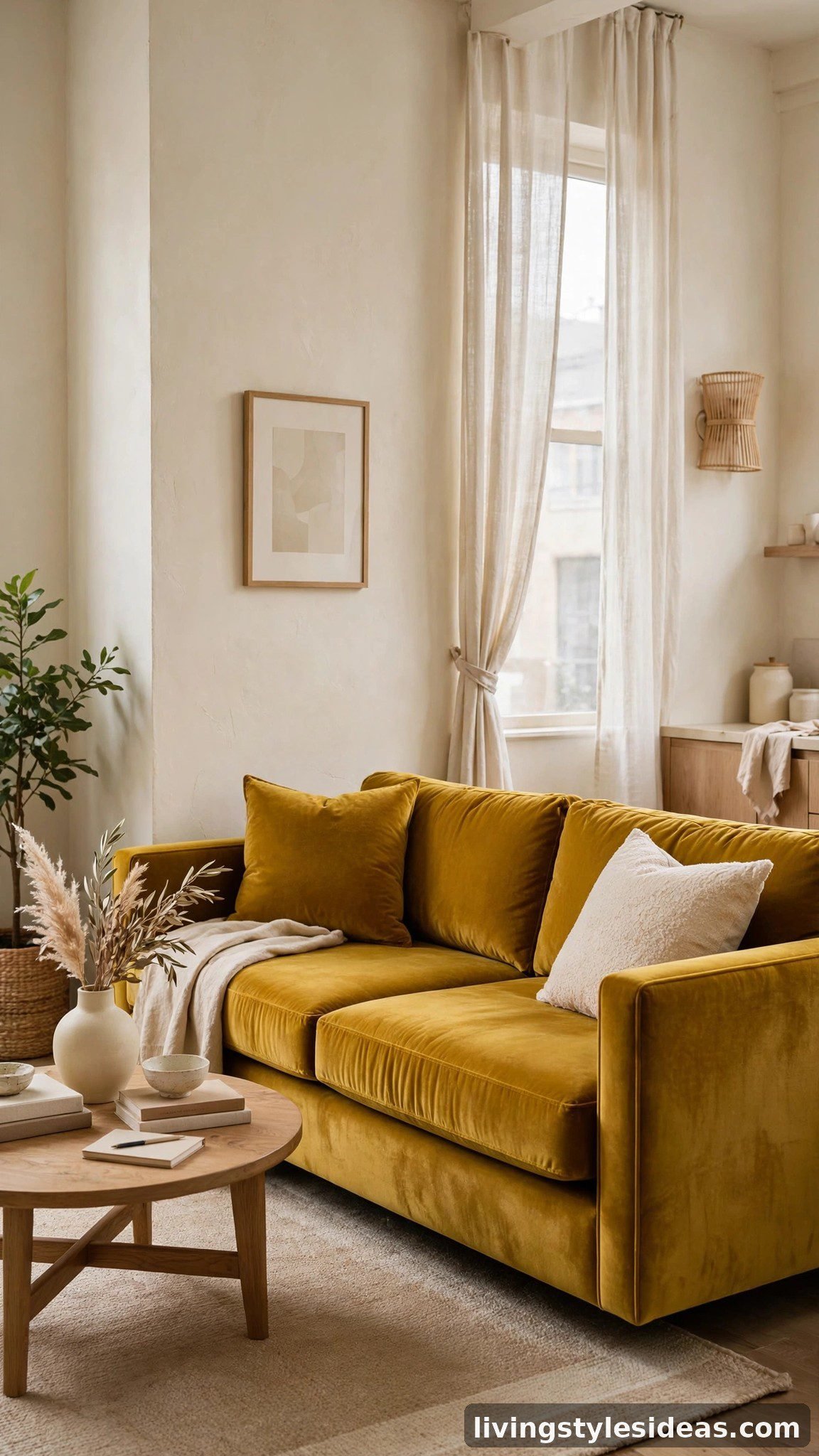
You do not need a boring sofa to have a calm studio — but commit to bold colour in measured doses. A rich mustard, teal, or rust sofa can be stunning if it is the one statement piece in the room, with everything else quiet around it. The rule: one loud colour per room, and let the loudest thing be something you love enough to live with daily. If bold feels risky, choose the colour in a smaller two-seater or loveseat instead of a full-size sofa.
8. Pick a Rental-Friendly Colour
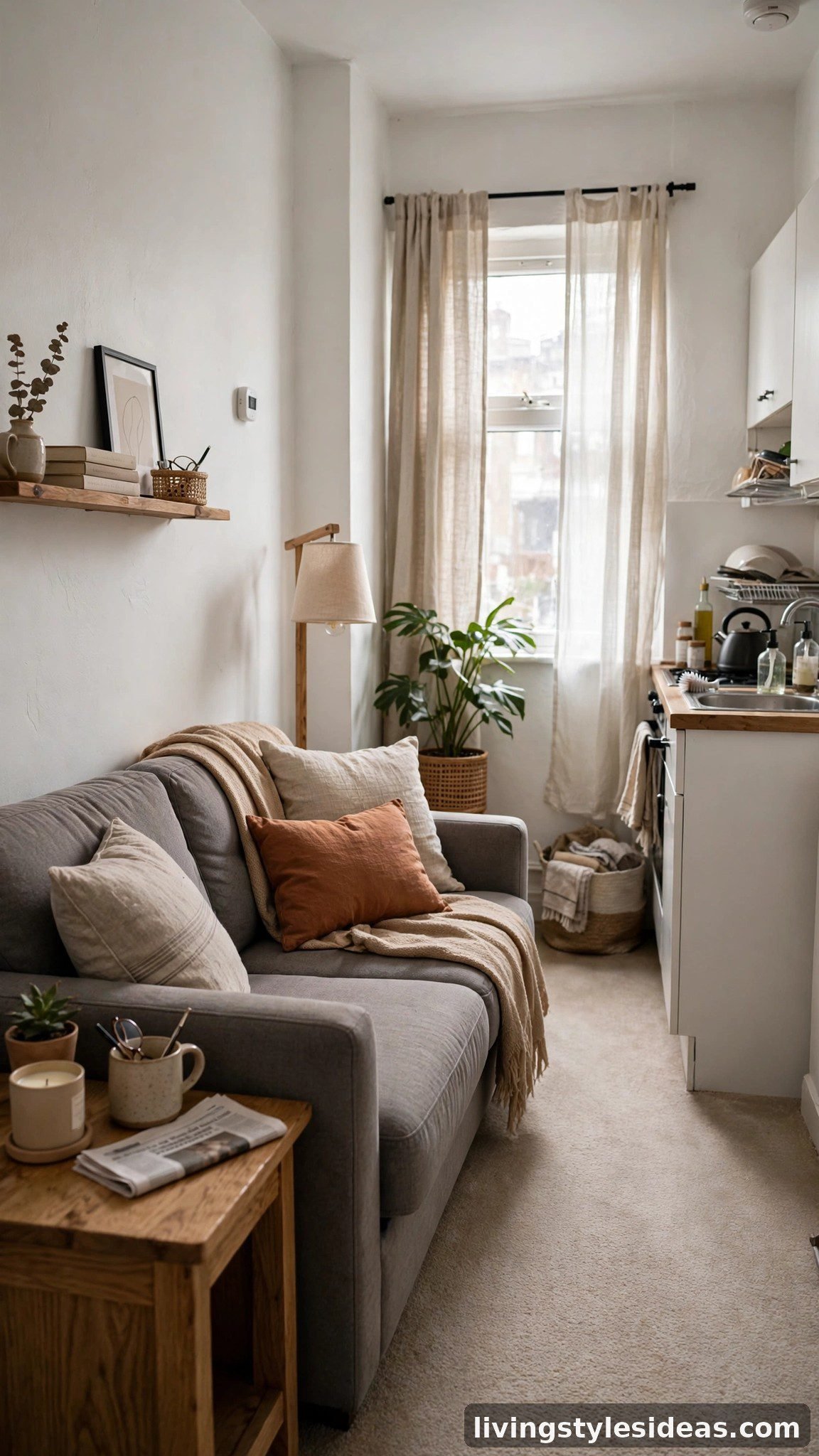
Most renters cannot repaint walls, change flooring, or swap fixtures — so the sofa must work with whatever the landlord chose. Greige, warm grey, and soft taupe are the most forgiving colours for rental life: they sit comfortably beside beige carpet, white walls, oak cabinets, and stainless appliances alike. Avoid anything that needs a specific backdrop to look good. A rental-friendly sofa colour moves with you too, fitting your next apartment as easily as this one.
9. Choose a Colour That Forgives Daily Life

In a studio, the sofa takes daily abuse: coffee, snacks, pets, guests sleeping over. Mid-tone colours with texture — heathered greys, nubby beige, tweedy taupe — hide crumbs, pet hair, and light stains far better than flat ivory or jet black. Fabric matters as much as colour: performance weaves and tightly woven linen blends resist stains and wipe clean. Before falling for a pale sofa, ask honestly how you live. A practical colour you keep for five years beats a dreamy white you stress about daily.
10. Tie the Whole Palette Together
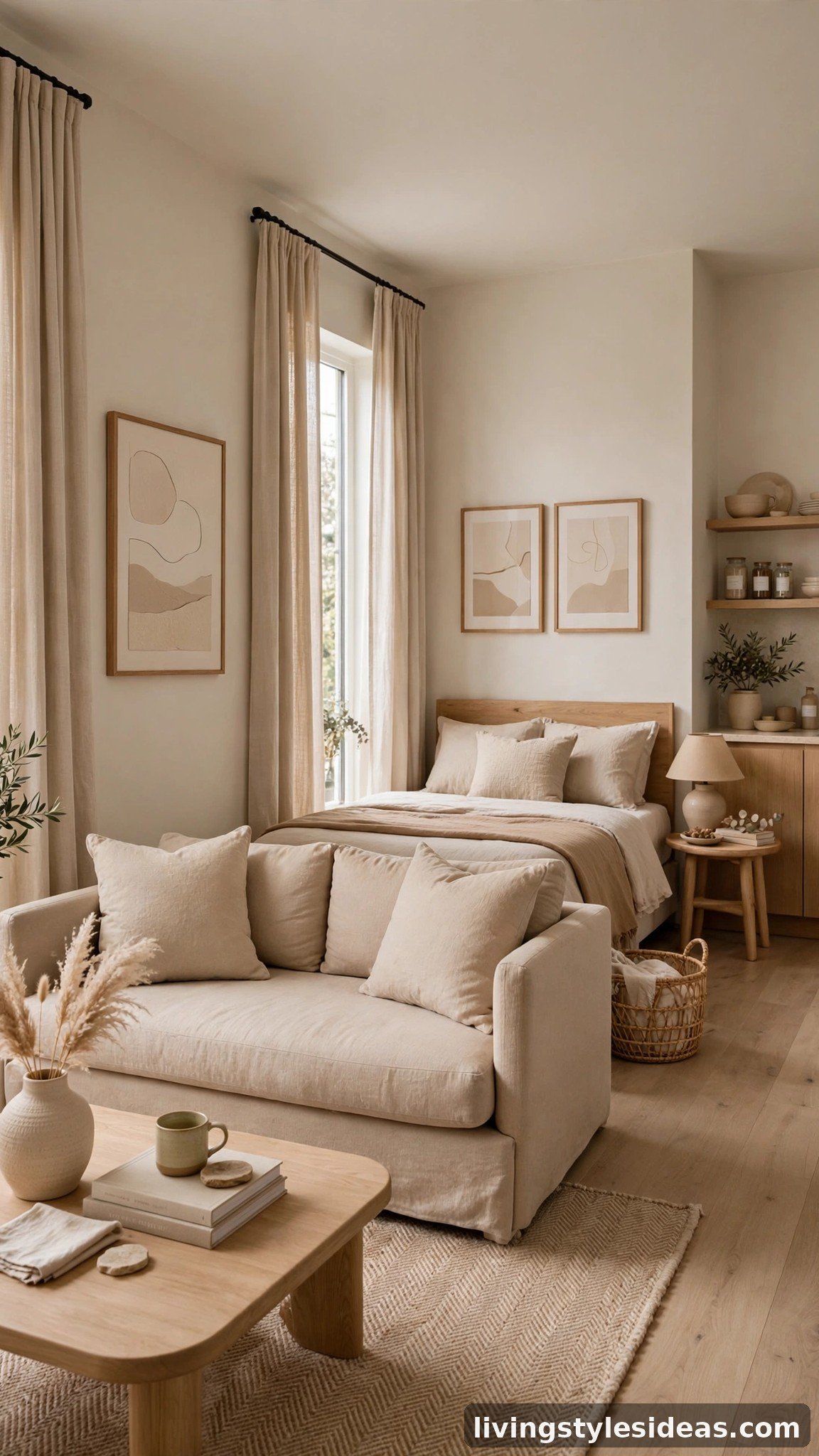
Finally, pull your sofa colour into the rest of the studio so the room feels like one home, not four zones. Repeat the sofa’s colour — or a close cousin — in the bed throw, the curtains, or a piece of art above the kitchen counter. This repetition is what designers call a colour thread, and it makes a small space feel intentional and calm. Stand in the doorway and scan the room: if your eye catches the same warm tone three times, the palette is working.
Frequently Asked Questions
What is the best sofa colour for a small studio apartment?
Light, warm neutrals like greige, beige, and soft warm grey are the best all-rounders. They make the space feel larger, match nearly everything, and stay stylish for years. Mid-tone textured neutrals are the most practical choice if you have pets or eat on the sofa regularly.
Should my sofa match my wall colour?
It does not need to match exactly, but the undertones should agree — warm sofa with warm walls, cool with cool. A sofa slightly deeper or lighter than the walls creates pleasant depth, while identical shades can make the room feel washed out. Always compare swatches against your actual wall in your own daylight.
Is a dark sofa a bad idea in a studio?
Not always. A dark sofa in a studio with good natural light and light-coloured walls can look striking and sophisticated. The risk is in small, dim studios, where dark upholstery absorbs light and makes the room feel smaller. If you love dark tones but have a compact space, choose a dark sofa with slim legs and a raised profile so light flows underneath.
How do I pick a sofa colour if I cannot repaint my rental?
Choose a forgiving neutral — greige, warm grey, or soft taupe — that sits comfortably beside the wall and flooring colours you are stuck with. Then add personality through cushions, throws, and art that you can change cheaply. This way your expensive piece stays timeless while your style still shows through.
Final Thoughts
Picking a sofa colour for a studio apartment comes down to three things: how big and bright your space is, what colours you are stuck with, and how you actually live. Start neutral, mind your undertones, test in your own light, and choose a colour that forgives real life. Get those right and your sofa will not just fill the room — it will make the whole studio feel like home.